Skip to content

P.O. Box 772 CIVIC SQUARE ACT 2608

About our Company

For homeowners in Kaleen, an established suburb within Canberra’s Belconnen district, maintaining your property’s structural integrity and aesthetic appeal often involves addressing ageing retaining walls. Over time, these essential landscape features can deteriorate, posing safety risks and detracting from your home’s value. Understanding the process of landscaping services in Canberra, specifically for retaining wall replacement in Kaleen, is crucial for ensuring a safe, functional, and visually appealing outdoor space. Act House & Landscaping Maintenance brings over 20 years of local Canberra experience, ensuring your retaining wall project is handled with professionalism and a 100% satisfaction guarantee.

Key Takeaways

  • Recognise the critical signs that your retaining wall needs replacement rather than just repair.
  • Understand material options like concrete sleeper, block, and stone, and their suitability for Belconnen’s clay soils.
  • Familiarise yourself with ACT council approval and engineering requirements for retaining wall projects.
  • Learn the step-by-step process of replacing a retaining wall, including crucial drainage considerations.
  • Know the essential questions to ask when hiring a Canberra retaining wall contractor to ensure a quality outcome.

Signs Your Retaining Wall Needs Replacing

Identifying when a retaining wall requires full replacement versus a simple repair is key to preventing further damage and ensuring safety. In established Canberra suburbs like Kaleen, common retaining wall failures often stem from prolonged exposure to the elements, poor initial construction, or inadequate drainage. Here are the critical signs:

  • Significant Leaning or Bulging: If your wall is visibly leaning forward or bulging outwards, it indicates a structural failure due to immense pressure from the soil behind it. This is a clear sign that the wall’s integrity is compromised and often points to a need for retaining wall replacement in Kaleen.
  • Extensive Cracking: While minor hairline cracks might be repairable, large, deep, or stair-step cracks, especially in concrete or masonry walls, suggest foundational issues or excessive soil movement. These cracks can compromise the wall’s ability to hold back soil effectively.
  • Collapse or Sections Missing: An obvious sign of failure is a partial or complete collapse. If sections of your wall have fallen, it’s beyond repair and requires immediate replacement to prevent erosion and ensure safety.
  • Poor Drainage Issues: Constant waterlogging around the base of the wall, efflorescence (white mineral deposits), or soil erosion in front of the wall can indicate a severe drainage problem. Over time, water pressure and saturation weaken the wall’s foundation and materials.
  • Rotting or Deteriorating Timber: For older timber sleeper retaining walls, rot, insect damage, or significant warping are common. Once timber begins to decompose, its structural capacity is severely reduced, necessitating replacement.

Repair or Replace? How to Decide

Distinguishing between walls that can be repaired and walls that must be replaced comes down to the extent and type of structural damage. As a general guide:

  • Repair is usually viable when damage is cosmetic or localised — hairline surface cracks, minor mortar loss between blocks, small patches of erosion at the base, or a single displaced sleeper in an otherwise straight, plumb wall. The wall must still be standing vertically true with no visible lean.
  • Replacement is the safer path when the wall shows any sign of structural compromise: leaning or bowing significantly over its height, stair-step cracking that runs through multiple courses, a failed or non-existent drainage system causing hydrostatic bulging, or timber that is soft, punky, or extensively bored by termites. Multiple smaller defects occurring together — say, moderate cracking plus visible lean plus waterlogging — also push a wall into the replacement category, because fixing one issue rarely resolves the cascading load problems behind the others.

If you are unsure, a structural assessment by a qualified engineer or experienced retaining wall contractor is the most reliable way to determine whether your wall is a candidate for targeted repair or a full retaining wall replacement in Kaleen.

Material Options for Kaleen Retaining Walls

When considering retaining wall replacement in Kaleen, selecting the right material is crucial for durability, aesthetics, and suitability for Belconnen’s unique soil conditions. In our experience, many Belconnen properties have reactive clay soils, which can expand and contract with moisture changes, putting stress on structures. Proper drainage and material choice are paramount.

  • Concrete Sleeper Walls: These are a popular choice due to their strength, longevity, and versatility. Concrete sleepers come in various finishes (e.g., timber sleeper look, stack stone, plain grey) and are highly resistant to rot, pests, and fire. They are excellent for managing Belconnen’s clay soils, especially when combined with a robust drainage system, as they offer stability and minimal movement.
  • Segmental Block Walls: Made from interlocking concrete blocks, these walls are highly flexible and can be built without mortar (dry-stacked), allowing for some movement with soil changes. They come in a wide range of colours and textures, offering significant design flexibility. Their modular nature makes them suitable for various heights and curved designs.
  • Natural Stone Walls: Offering a classic and timeless aesthetic, natural stone walls (e.g., sandstone, granite) are incredibly durable and can significantly enhance property value. While they require skilled craftsmanship and can be more expensive, their natural beauty and ability to blend with the landscape are unmatched. They are also highly resistant to weather and pests.
  • Treated Timber Walls: While historically common, modern treated timber walls are less frequently recommended for significant structural retaining due to their shorter lifespan compared to concrete or stone. However, for smaller, aesthetic garden beds or decorative features, treated pine sleepers can still be a cost-effective option. If choosing timber, ensure it is appropriately treated for ground contact and understand its maintenance requirements.

Material suitability for Belconnen clay soils and drainage is a key consideration. Materials like concrete sleepers and segmental blocks offer robust solutions against soil movement and are easily integrated with effective drainage systems. For an in-depth look at retaining wall costs in Canberra, explore our detailed guide.

Considering Retaining Wall Replacement Kaleen

Speak with a local expert about the best materials and processes for your Kaleen property.

Call 0406 700 400

The Replacement Process

The retaining wall replacement process is a significant undertaking that requires careful planning and execution. Act House & Landscaping Maintenance follows a structured approach to ensure a durable and aesthetically pleasing outcome for your Kaleen property.

  1. Initial Assessment and Design: The first step involves a thorough site inspection to assess the existing wall, soil conditions, drainage, and overall landscape. This informs the design of the new wall, including material selection, height, length, and integration with your property’s aesthetics and functionality. For homeowners interested in how a new retaining wall fits into a broader garden or property improvement, consider our residential landscaping in Canberra services.
  2. Permit and Engineering: Depending on the wall’s height and location, council approvals and engineering certification may be required (discussed in detail below). These steps ensure the new wall meets all safety and structural standards.
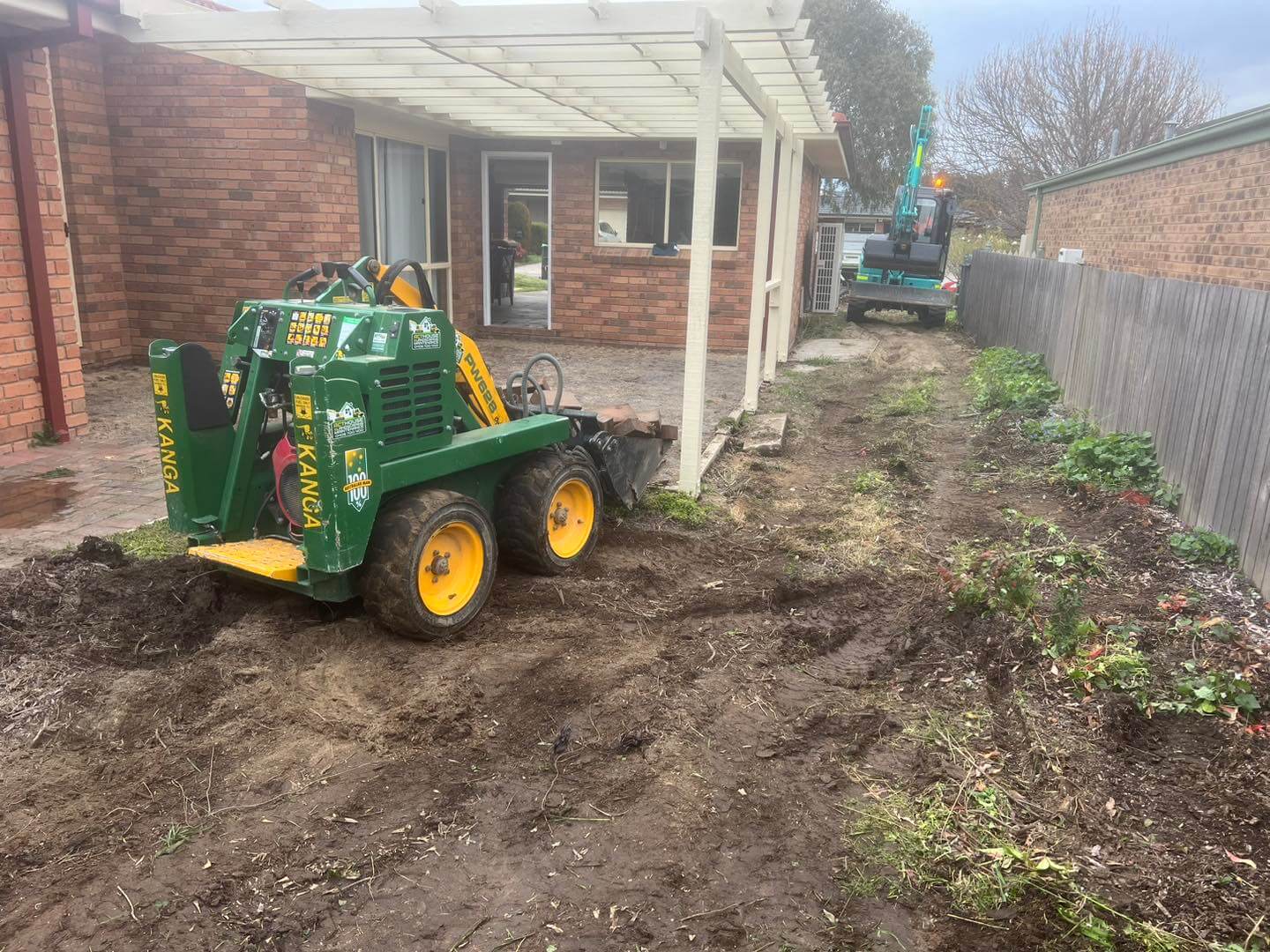
  3. Demolition and Site Preparation: The existing retaining wall is carefully demolished and removed. This often involves the excavation process in Canberra to create a clean, level base for the new wall. Proper site preparation is critical for the stability of the new structure.
  4. Foundation and Drainage Installation: A solid foundation is laid, typically involving compacted gravel or concrete footings. Crucially, a comprehensive drainage system is installed behind the wall. This includes a geofabric layer, aggregate (gravel), and perforated agricultural pipes to manage hydrostatic pressure and direct water away from the wall’s base. This step is vital to prevent future failures.
  5. Wall Construction: The new retaining wall is constructed using the chosen materials, following the approved design and engineering specifications. Each course of blocks or sleepers is carefully laid, levelled, and secured to ensure structural integrity.
  6. Backfilling and Finishing: Once the wall is built, the area behind it is carefully backfilled with suitable drainage material (like crushed rock) and then compacted soil. The final touches involve grading the surrounding landscape, integrating the wall with existing garden beds or lawns, and ensuring proper runoff.

Drainage and waterproofing considerations during replacement are paramount. Without effective drainage, water pressure can build up behind the wall, leading to cracking, bulging, or even collapse. We incorporate robust drainage excavation services and waterproofing membranes to protect the wall and ensure its long-term stability.

A well-constructed retaining wall is more than just a barrier; it’s a critical element of your landscape design that enhances both safety and property value, especially in areas with varying terrain like Kaleen.

Council Approvals and Engineering Requirements

Navigating council regulations for retaining wall replacement in Kaleen, or anywhere in the ACT, is an essential step. Failing to obtain necessary approvals can lead to costly delays, fines, or even the requirement to dismantle and rebuild your wall. The ACT Government, through Access Canberra, sets out specific criteria for when a retaining wall requires approval.

Generally, a retaining wall that is one metre or more in height (measured from the lowest natural ground level) or supports a surcharge (additional load, like a driveway or building) will require development approval and structural engineering certification. This ensures the wall is structurally sound and designed to withstand the specific pressures and soil conditions of your site, adhering to Australian Building Codes Board standards.

Even if your wall is under one metre, it’s always advisable to check with Access Canberra for current requirements, especially if it’s located near a boundary, easement, or public utility. Act House & Landscaping Maintenance can assist Belconnen homeowners in understanding these requirements and preparing necessary documentation, including engineering plans, to ensure full compliance with ACT regulations. This proactive approach saves time and avoids potential issues down the line.

Choosing a Retaining Wall Contractor in Canberra

Selecting the right contractor is just as important as choosing the right materials. A poorly built retaining wall can fail within a few years, so it pays to vet your options carefully before signing a quote. Here is what to look for — and what to ask — when comparing retaining wall contractors in Canberra.

What to Look For

  • ACT Construction Licence: Any contractor building a retaining wall over one metre in the ACT must hold the appropriate construction licence class. Ask for their licence number and verify it through Access Canberra’s online register before proceeding.
  • Public Liability and Workers’ Compensation Insurance: Request a copy of current certificates of currency. Public liability should offer substantial coverage, and any contractor with employees must hold workers’ compensation insurance. If they cannot produce these documents, walk away.
  • Demonstrated Local Experience: Belconnen’s reactive clay soils, frost cycles, and sloped blocks present specific challenges. A contractor who has completed retaining wall projects across suburbs like Kaleen, Florey, or Macquarie will understand these conditions and design accordingly.
  • Completed Project Examples: Ask to see photos or visit a finished wall in the area. Look at the quality of the finish, the neatness of the drainage outlet, and whether the wall sits plumb and true. A contractor confident in their work will be happy to show you past projects.

Questions to Ask When Getting Quotes

  1. “Does your quote include everything — demolition, disposal, materials, labour, drainage, and council fees?” Some quotes look competitive but exclude demolition of the old wall, tip fees for disposal, or the cost of council application and engineering certification. Get a fully itemised breakdown so you can compare like for like.
  2. “What drainage system will you install, and is it included in the price?” Drainage is the single biggest factor in a retaining wall’s longevity. The answer should mention ag pipe, geofabric, drainage aggregate, and a clear outlet point. If drainage is listed as an optional extra, that is a red flag.
  3. “Will you arrange the engineering certification and council approval, or is that my responsibility?” Many homeowners assume the contractor handles permits. Clarify who lodges the development application, who engages the structural engineer, and who pays for each.
  4. “What is the expected timeline, and how will you communicate progress?” A professional contractor should provide a clear start date, estimated completion, and a named contact person for updates. Ask how they handle delays from weather or material supply.
  5. “Do you provide a written warranty, and what does it cover?” Look for a warranty that covers both materials and workmanship. Ask how long the warranty lasts, what would void it, and whether the warranty is transferable if you sell the property.
  6. “Can you provide references from recent Canberra retaining wall projects?” Follow up on at least two references. Ask those homeowners whether the project finished on time, whether there were unexpected cost increases, and whether they would hire the contractor again.

Comparing three quotes side by side — with each fully itemised — gives you the clearest picture of value. The cheapest quote is rarely the best if it omits drainage, engineering, or council lodgement. A thorough contractor who explains their process upfront is typically the one who delivers the fewest surprises on site.

Frequently Asked Questions

How much does retaining wall replacement cost in Kaleen?

The cost of retaining wall replacement in Kaleen varies significantly based on factors like material choice (concrete sleeper, block, stone), wall height and length, site accessibility, and the complexity of drainage required. For detailed estimates, it’s best to get a professional quote tailored to your specific project. You can find more general information on retaining wall costs in Canberra on our website.

How long does retaining wall replacement take?

The duration of a retaining wall replacement in Kaleen project depends on its scale. Smaller walls might take a few days, while larger or more complex projects can extend to several weeks. Factors like weather, material delivery, and council approval times can also influence the timeline. Our team provides clear project timelines after the initial assessment.

What should I ask when getting quotes from a retaining wall contractor?

When seeking quotes for retaining wall replacement in Kaleen, ask whether the quote is fully itemised and includes demolition, disposal, materials, labour, drainage, and council fees. Confirm what drainage system will be installed, who handles engineering certification and council approval, what the expected timeline is, whether a written warranty is provided, and whether the contractor can supply references from recent Canberra projects. Comparing at least three fully itemised quotes side by side gives you the clearest picture of value. Learn more about retaining wall maintenance tips to ensure longevity.

Does a new retaining wall increase property value?

Yes, a professionally replaced retaining wall can significantly improve property value and safety. It enhances kerb appeal, provides functional outdoor space, prevents erosion, and demonstrates good property maintenance. A structurally sound and aesthetically pleasing wall is a valuable asset for any home in Kaleen, offering both practical benefits and a strong return on investment. Understanding the uses and benefits of retaining walls can highlight their value.

How does Act House & Landscaping Maintenance ensure quality?

Act House & Landscaping Maintenance is a family-owned, fully insured local Canberra team with over 20 years of experience in retaining wall construction across Belconnen and the wider ACT. We provide a dedicated project manager, use eco-friendly products and equipment where possible, maintain a neat and clean job site, and offer a 100% satisfaction guarantee. Our focus is on delivering practical, local-expert, and reassuring service to Canberra homeowners.

Conclusion

Retaining wall replacement in Kaleen is an investment in your property’s safety, functionality, and aesthetic appeal. By understanding the signs of failure, exploring suitable material options for Belconnen’s unique environment, and navigating the replacement process with expert guidance, homeowners can ensure a successful outcome.

Choosing a local, experienced and reliable contractor like Act House & Landscaping Maintenance is crucial. Our team is committed to delivering high-quality results that enhance your outdoor space and provide lasting value. We’re here to help you identify the warning signs, compare modern retaining wall material options, understand the typical replacement process, and know what questions to ask when getting quotes from a Canberra retaining wall contractor.

Related resources

Visit Act House & Landscaping Maintenance Today

Ready to enhance your Kaleen property with a new retaining wall? Get tailored advice and a personalised quote from our local Canberra experts.


Get in Touch

Service we Offer

Our Points of Difference

We stand out from other domestic and commercial house and landscaping experts in many things as mentioned in below:

  • Assurance to cater 100% customer satisfaction results.

  • The door to door service is provided and the staff is trained, police verified and fully insured having extensive product knowledge and insight.
  • The equipment's and products that are used are up to date and latest.
  • Competent prices and the services provided as per the industry standards.

  • The offering of 24/7 and 365 days a year personalized services.

Client Says

Testimonial from our Happy Clients

About our Company

What Does a Retaining Wall Cost in Canberra in 2026?

If you’re planning a landscaping project or managing erosion on a sloped block, one of the first questions you’ll ask is: how much does a retaining wall actually cost in Canberra? It’s a fair question — and the answer depends on more variables than most homeowners expect.

In 2026, retaining wall cost Canberra pricing has shifted due to rising material costs, tighter ACT planning regulations, and increased demand for quality structural landscaping across suburbs like Gungahlin, Woden, and Belconnen. Getting a clear picture of current local pricing helps you compare quotes confidently and avoid nasty surprises mid-build.

This guide breaks down the real numbers — material by material, metre by metre — so you can plan your project with genuine transparency. If you’re weighing this against a broader outdoor upgrade, our team at ACT Landscaping Services can help you scope the full picture.

Retaining Wall Cost by Material Type

Timber Retaining Walls

Timber sleeper walls remain the most budget-friendly option for Canberra homeowners. They suit garden beds, low terraces, and gentle slopes where the wall height stays under one metre. Treated pine is the most common choice, though hardwood sleepers offer greater longevity.

  • Treated pine sleepers: $250–$450 per lineal metre (installed)
  • Hardwood sleepers: $350–$550 per lineal metre (installed)
  • Typical lifespan: 15–25 years depending on timber grade and drainage

Timber walls work well up to about 800mm. Beyond that height, you’ll need steel posts and potentially engineering, which adds to the cost.

Concrete Sleeper Retaining Walls

Concrete sleeper walls are the most popular choice across Canberra — and for good reason. They’re strong, low-maintenance, and available in a range of finishes that mimic natural stone or timber without the decay risk.

  • Standard concrete sleepers: $400–$650 per lineal metre (installed)
  • Textured or decorative sleepers: $500–$750 per lineal metre (installed)
  • Typical lifespan: 40–60+ years

Concrete sleeper walls handle heights up to 1.5 metres comfortably with galvanised steel H-posts and proper drainage. For walls above this, engineered designs and deeper footings are required.

Natural Stone and Block Retaining Walls

For a premium finish, natural stone or sandstone block walls deliver a striking aesthetic — particularly in established Canberra suburbs like Red Hill, Deakin, and Yarralumla where property presentation matters.

  • Besser block (rendered): $500–$750 per lineal metre (installed)
  • Natural sandstone: $650–$900+ per lineal metre (installed)
  • Boulder walls (dry stack): $350–$600 per lineal metre (installed)

Stone walls require skilled labour and often involve heavier machinery for placement, which is reflected in the price. However, they add significant property value and require virtually no maintenance.

Factors That Affect Your Retaining Wall Quote

Two retaining walls on neighbouring properties can vary in cost by thousands of dollars. Understanding why helps you assess whether a quote is fair — or padded. For a tailored figure, a custom landscaping design and quote takes each of these variables into account.

Wall Height and Length

This is the single biggest cost driver. A wall at 400mm needs minimal engineering and basic footings. A wall at 1.2 metres needs deeper posts, drainage provisions, and potentially an engineer’s design. Every additional 200mm of height adds structural complexity.

Slope and Site Access

Canberra’s terrain varies dramatically — from flat blocks in Amaroo to steep slopes in Isaacs and O’Malley. Steeper sites require:

  • More extensive excavation and soil removal
  • Tiered or stepped wall designs
  • Heavier retaining solutions to manage lateral earth pressure
  • Potential crane or bobcat access considerations

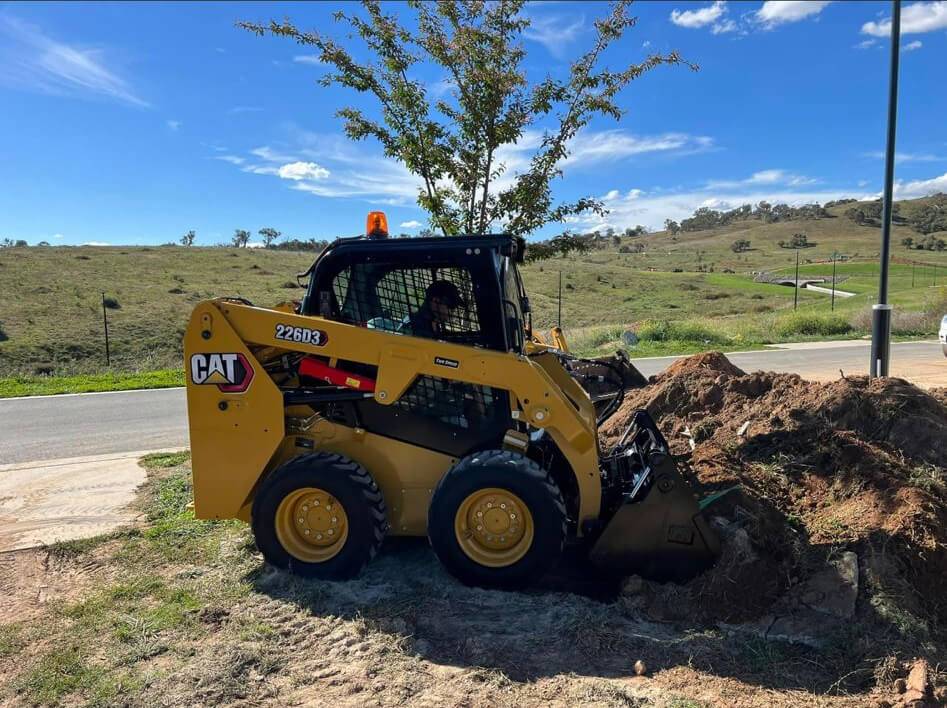
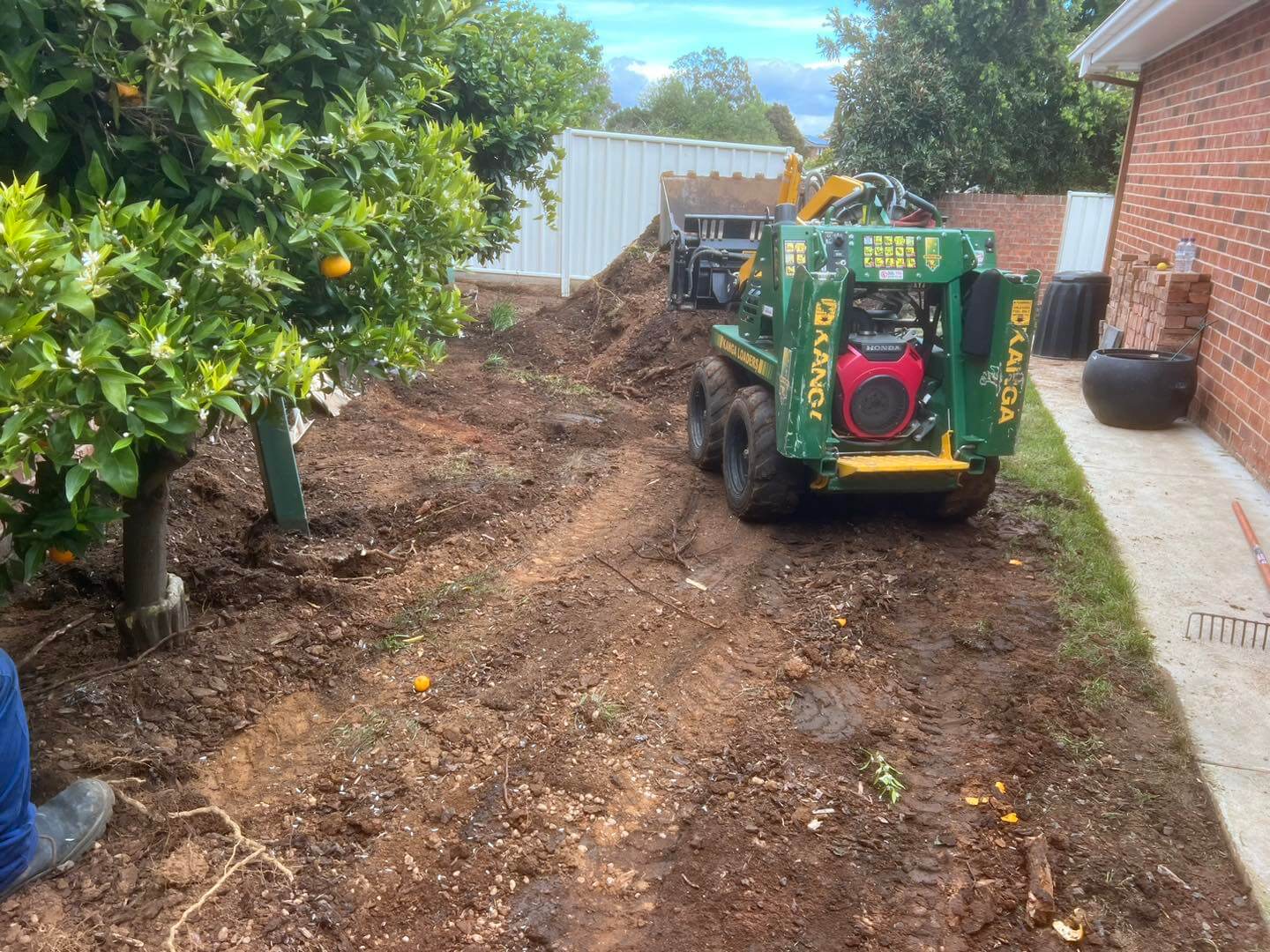
If machinery can’t access the site easily, manual labour costs increase significantly — sometimes adding 20–40% to the overall price. Where access is tight, bobcat and mini digger hire can shift the labour equation back in your favour.

Soil Type and Conditions

Canberra’s soil profile includes reactive clay in many suburbs, particularly across Tuggeranong and parts of Weston Creek. Reactive clay soils expand and contract with moisture changes, placing additional stress on retaining structures. This often demands:

  • Deeper footings and larger steel posts
  • Enhanced drainage behind the wall (agricultural pipe and gravel backfill)
  • Geotechnical assessment in some cases

Drainage Requirements

Every retaining wall needs drainage — but the extent varies. A basic ag-pipe and gravel drainage system is included in most quotes. However, if your site has a high water table or poor natural drainage, additional stormwater management may be required, adding $30–$80 per lineal metre. In heavy clay pockets across Belconnen, dedicated drainage excavation is often the smarter long-term spend.

Roughly 60% of retaining wall failures in Canberra can be traced back to inadequate drainage — not structural deficiency. Getting the waterproofing and ag-pipe right from day one saves thousands in remediation later.

Council Approval and Engineering in the ACT

When Do You Need Approval?

In the ACT, retaining walls are regulated under the Planning and Development Act. The general rules for 2026 are:

  • Walls under 800mm — generally exempt from development approval, provided they don’t affect neighbours or public land.
  • Walls between 800mm and 1.5 metres — typically require an engineer’s design and may need an exemption declaration.
  • Walls over 1.5 metres — almost always require a full development application (DA) and structural engineering certification.
  • Walls near boundaries — even low walls within 1.5 metres of a boundary may trigger neighbour notification requirements.

For the latest ACT requirements, homeowners should confirm current rules with the ACT Government planning authority before starting work.

What Does Engineering Cost?

A structural engineer’s design for a standard residential retaining wall generally sits in the range of $600 to $1,500, depending on complexity. Development application fees add further cost and can extend project timelines by several weeks, so factor approvals into your planning from day one.

How Site Preparation Affects the Final Price

Before the first sleeper goes in the ground, the site itself has to be ready — and this stage can quietly swing your total spend. Grading, excavation, and spoil removal are often lumped into a single line on a quote, but each carries its own cost driver.

  • Excavation depth and volume of soil to be removed
  • Rock or tree-root obstructions that slow machinery
  • Distance from the truck loading point to the wall line
  • Availability of on-site storage for materials

Professional earth moving services and proper bobcat grading before construction reduce the risk of settlement and drainage failure later. Skimping here almost always costs more at the remediation stage.

How to Compare Retaining Wall Quotes Fairly

A cheap quote isn’t always the best value — and an expensive one isn’t automatically better. When comparing your options, look beyond the headline number:

  • Materials specified — is the sleeper grade, post size and concrete strength listed clearly?
  • Drainage inclusions — is ag-pipe, geo-fabric and gravel backfill in the price?
  • Excavation and spoil removal — included, or an extra line?
  • Engineering and approval — quoted separately, or bundled?
  • Warranty and workmanship — what’s actually covered, and for how long?

A transparent quote lets you compare apples with apples. If a number looks unusually low, chances are something has been left out.

Budgeting Tips for Canberra Homeowners

Keeping retaining wall costs under control comes down to planning early and asking the right questions. A few practical moves:

  1. Get the site inspected before locking in a budget — a walk-over often uncovers drainage or access issues that shift the number.
  2. Match the material to the job — a $900/m stone wall on a low garden bed rarely stacks up commercially.
  3. Group works where possible — combining retaining with turf, paving or general landscaping usually reduces mobilisation costs.
  4. Don’t cut drainage — it’s the single most common failure point in Canberra walls.

For larger blocks, staging works across a season can smooth out cash flow without compromising structural integrity.

Frequently Asked Questions

How much does a retaining wall cost per metre in Canberra?

In 2026, retaining wall cost in Canberra generally ranges from $250 to $900+ per lineal metre installed. Timber sleepers sit at the lower end, concrete sleepers in the mid range, and natural stone or sandstone at the top end.

Do I need council approval for a retaining wall in the ACT?

Walls under 800mm are generally exempt from development approval in the ACT, provided they don’t affect neighbours or public land. Walls between 800mm and 1.5 metres typically need an engineer’s design, and walls over 1.5 metres usually require a full development application.

Which retaining wall material lasts the longest?

Concrete sleeper walls typically last 40–60+ years, natural stone can last even longer with minimal maintenance, and timber sleepers generally last 15–25 years depending on timber grade and drainage. Material choice should balance lifespan, appearance and budget.

Why do drainage issues cause retaining walls to fail?

When water builds up behind a wall, it adds significant lateral pressure on the structure. Without proper ag-pipe and gravel backfill, this pressure can crack, tilt or blow out the wall. Getting drainage right at construction is far cheaper than remediating a failed wall.

Can I combine my retaining wall with other landscaping works?

Yes — bundling a retaining wall with turf, paving, decking or wider landscaping usually reduces overall cost per project, because mobilisation, excavation and site clean-up are shared across the scope. It also delivers a more cohesive finished result.

Service we Offer

Our Points of Difference

We stand out from other domestic and commercial house and landscaping experts in many things as mentioned in below:

  • Assurance to cater 100% customer satisfaction results.
  • The door to door service is provided and the staff is trained, police verified and fully insured having extensive product knowledge and insight.
  • The equipment's and products that are used are up to date and latest.
  • Competent prices and the services provided as per the industry standards.
  • The offering of 24/7 and 365 days a year personalized services.

Client Says

Testimonial from our Happy Clients

About our Company

Key Benefits of Retaining Walls in Canberra

Except for holding the soil in its place, these retaining walls help shape the ground and make it usable. It also supports gardens and assists in keeping your property safe from damage. Designing your landscapes with retaining walls gives them a unique blend of strength, along with a healthy and beautiful look. The residents of Canberra widely choose the option of these walls to safeguard and beautify their commercial or residential outer zones. 

Sloped ground benefits from retaining walls. They stabilise soil, allow plant terraces, and give yard structure. If you want to maximise land value while keeping it appealing and safe, consider retaining walls.

Key Uses of Retaining Walls

Depending on the circumstances, retaining walls can be useful. These are the most typical uses:

  • Retaining soil on sloping terrain
  • Avoiding erosion around footpaths and gardens
  • Levelling the ground for garden beds, lawns, and pergolas
  • Providing support for building foundations and roadways in uneven terrain
  • Enhancing water management and drainage
  • Improving a property’s general design and appearance
  • Constructing tiered landscapes and raised garden beds

With retaining wall designs, you have more influence over the environment instead of being limited by natural slopes that limit your design. This is particularly crucial in situations where soil movement may be a problem.

Benefits of Installing Retaining Walls

There are many benefits to selecting retaining walls. Benefits for individuals who use Retaining Walls Canberra services include:

  • Enhanced yard stability
  • Fewer soil erosions with heavy rain
  • Stronger planters and garden edges
  • Extra space for seating, recreation, or outdoor kitchens
  • Water drainage improvement
  • A clear lawn-garden border
  • Clear lines improve landscape design.

Additionally, retaining walls provide a yard depth and structure, which elevates and delineates the space. Retaining walls provide both purpose and design, whether your goal is a peaceful outdoor pergola or a raised vegetable garden.

Design Options for Every Style

Retaining walls can have a variety of styles. With modern landscape design, you have options:

  • Clean and contemporary concrete blocks
  • Timber sleepers for heating
  • Stone seeks style and longevity.
  • Visual depth levels
  • Lounge or garden bed elements

The wall can be a highlight or integrated into your property. Most of the Canberra residents like brick retaining walls because of their durability and long-lasting effect.

Why Professional Retaining Wall Builders Matter?

The professional installation of a retaining wall is essential for retaining wall builders to make it stabilised for a long period. It is important to make a professional choice as they have an authorised execution for a specific design. On the other hand, they also know in which type of area they have to apply the proper materials for retaining walls’ strength. Hence, it would be safe to opt for their construction line.    

Maintenance and Repair

It is necessary to perform maintenance on even the greatest walls. The structure is protected by preventing dirt buildup behind the wall, checking drainage, and repairing cracks early. Small problems are prevented from growing into more expensive ones by prompt remedies.

Conclusion

Outdoor environments are made stronger, more orderly, and more beautiful by retaining walls. Sloped ground is supported, erosion is stopped, living space is added, and property value is raised by the usage of retaining walls. 

ACT House & Landscaping Maintenance is one of the reliable contractors for retaining wall projects in Canberra. We have the best retaining wall builders who have a huge collection of eye-catching and long-lasting concepts for your outdoor areas.

Service we Offer

Our Points of Difference

We stand out from other domestic and commercial house and landscaping experts in many things as mentioned in below:

  • Assurance to cater 100% customer satisfaction results.
  • The door to door service is provided and the staff is trained, police verified and fully insured having extensive product knowledge and insight.
  • The equipment's and products that are used are up to date and latest.
  • Competent prices and the services provided as per the industry standards.
  • The offering of 24/7 and 365 days a year personalized services.

Client Says

Testimonial from our Happy Clients

About our Company

Tips to Maintain Retaining Wall Blocks

Retaining Wall Blocks have the special role of beautifying the looks of the outdoor regions. It is quite important to maintain the longevity of Retaining Wall Blocks for their best function & appearance. These blocks are suitable for building a terraced garden, preventing soil erosion, or adding structure to your yard. Come, let’s share some of the key maintenance tips for Retaining Wall Blocks for a long duration: 

1. Routine Cleaning of Retaining Wall Blocks

For bacteria-free blocks, clean them regularly. A clean retaining wall looks good and is less affected by moisture, cracks, and erosion.

  • The Retaining Wall Blocks can be cleaned of dirt and debris by using a power washer. 
  • Tough stains on the blocks should be cleaned up with the help of a detergent solution. 
  • Use of harsh chemicals should be avoided as they may harm the material and discolour it. 

2. Promptly Inspect and Repair Cracks

Temperature, soil movement, and natural settling may break even the strongest Retaining Wall Blocks. Repairing cracks before they worsen requires regular investigation. 

  • At least twice a year, check the Retaining Wall Blocks, especially following periods of intense rain or severe weather. 
  • A repairing solution or concrete filler can often be used to fix minor cracks. 
  • Consult a professional to check the structure’s strength and suggest fixes if you see bigger cracks or blocks that are moving. 

3. Ensure Proper Drainage

Drainage problems are one of the main reasons why Retaining Wall Blocks get damaged. Placing water behind the wall can raise the pressure, which can eventually make the wall bow or fall. 

  • Verify the proper operation of the drainage system behind the Retaining Wall Blocks.
  • Make sure water flows easily away from the wall by unclogging drainage pipes.
  • If drainage problems persist, construct a sandy base and perforated drainage pipe. 

4. Control Vegetation Growth

Plants can beautify your retaining wall bricks, but unchecked growth might damage them. Pressure from tree roots and strong plants may remove and break blocks. Maintaining vegetation control assists in maintaining the wall’s strength and stability. 

  • Cut down overgrown plants and tree roots near Retaining Wall Blocks
  • Avoid growing unwanted trees near the wall. 
  • To beautify without structural damage, choose low-maintenance ground coverings or decorative plants. 

5. Rearrange Loose Blocks 

Depending on soil movement or atmospheric pressure, Retaining Wall Blocks may shift. They may be rapidly repositioned to prevent further damage and maintain wall uniformity. 

  • During your checks, look for any blocks that are uneven or displaced.
  • Remove and rearrange loose blocks with a level to maintain position. 

8. Monitor Soil Erosion and Settlement

Behind the retaining wall, soil erosion may cause block movement and structural instability. The Retaining Wall Blocks remain securely supported when the soil is managed properly. By keeping the soil structure intact, these problems can be avoided. 

  • Prevent soil loss with landscaping cloth beneath Retaining Wall Blocks.
  • Regularly add more backfill material to keep the right support. 
  • Check for soil erosion and settlement and act quickly. 

Conclusion

Retaining Wall Blocks perform best to secure & enhance the looks of the outdoor regions. For the attractive looks, these blocks need frequent maintenance. These maintenance include all the detections from natural hindrance that can affect these blocks badly. It includes crack detection, vegetation growth & bacterial growth. A proactive maintenance plan keeps your Retaining Wall Blocks working attractively for seasons. This activity can be economical for you.

Service we Offer

Our Points of Difference

We stand out from other domestic and commercial house and landscaping experts in many things as mentioned in below:

  • Assurance to cater 100% customer satisfaction results.
  • The door to door service is provided and the staff is trained, police verified and fully insured having extensive product knowledge and insight.
  • The equipment's and products that are used are up to date and latest.
  • Competent prices and the services provided as per the industry standards.
  • The offering of 24/7 and 365 days a year personalized services.

Client Says

Testimonial from our Happy Clients