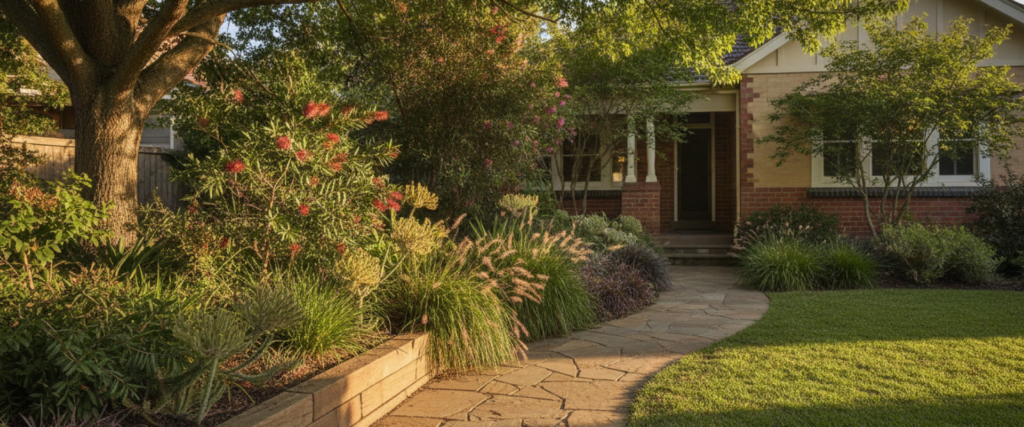

Established homes in Canberra Central often come with gardens that, while mature, may no longer suit contemporary lifestyles or stand up to Canberra’s unique climate. If your outdoor space feels dated, overgrown, or simply doesn’t meet your needs, it might be time to consider a comprehensive garden renovation ideas. Act House & Landscaping Maintenance specialises in landscaping, offering expert Canberra landscaping services to transform these established areas into functional, beautiful extensions of your home.
Key Takeaways
- Established Canberra Central gardens often need renovation due to ageing hardscaping, overgrown plants, poor drainage, or outdated designs.
- Renovation approaches range from refreshing hardscaping and overhauling softscaping to adding outdoor living features, or a full garden transformation.
- Special considerations for Canberra Central include heritage overlays and the ACT Tree Protection Act 2005, which may influence design choices.
- Many cosmetic garden tasks suit confident DIYers, but structural, drainage, and regulated-tree work should be left to a licensed professional.
- Arriving at your quote consultation with photos, a priority list, and the right questions ensures you get an accurate, comparable estimate.
Signs Your Established Garden Renovation Ideas
An older garden in suburbs like Braddon, Kingston, or Yarralumla can develop several issues over time. Recognising these signs is the first step towards planning a successful renovation:
- Ageing Hardscaping: Cracked paving, crumbling retaining walls, or deteriorating pathways not only look unsightly but can also pose safety hazards. Materials from decades past may no longer suit modern aesthetics or functionality.
- Overgrown Plantings: Mature trees and shrubs can become too large for their space, blocking sunlight, impacting views, or even damaging foundations. Overgrown gardens often feel cluttered and lack definition.
- Poor Drainage: Older irrigation systems might be inefficient, leading to waterlogging in some areas and dry patches in others. Clay soils common in Canberra Central can exacerbate drainage issues, especially after heavy rains.
- Dated Layout: Garden designs from the 1960s or ’70s often don’t align with today’s outdoor living trends, lacking dedicated entertainment areas, functional zones, or modern plant palettes.
Addressing these issues can dramatically improve your property’s kerb appeal and your family’s enjoyment of the outdoor space. Act House & Landscaping Maintenance provides residential landscaping in Canberra tailored to the specific challenges and opportunities of established homes. For more garden renovation ideas, consider consulting with our team.
How Garden Renovation Differs from Landscaping a New Build
Landscaping a new-build property typically starts with a bare or minimally prepared block, giving you a blank canvas. Garden renovation for an established home is a different discipline entirely. You’re working around mature root systems, existing levels and retaining structures, underground services that may not be accurately mapped, and decades of soil compaction or amendment. Renovation also means making decisions about what to keep — a healthy established tree provides shade and character that would take twenty years to replicate from a new planting. These garden renovation ideas focus on working with existing elements.
These constraints make renovation more complex in some ways, but they also offer advantages a bare block can’t: existing privacy screening, mature canopy cover, and established soil biology. The key is knowing which existing elements are assets worth designing around and which are liabilities that need to go.
Hardscaping Ideas for a Modern Refresh
Hardscaping forms the backbone of any garden, providing structure and defining spaces. For established Canberra Central homes, refreshing these elements can create a modern, cohesive look. These garden renovation ideas for hardscaping can revitalise your outdoor area.
Replacing or Repairing Retaining Walls
Many older gardens feature timber or concrete sleeper retaining walls that have reached the end of their lifespan. Replacing these with durable, aesthetically pleasing options can transform the garden’s topography and enhance safety.
- Natural Stone: Offers a classic, timeless look that blends well with Canberra’s natural environment and heritage properties.
- Segmental Block: Provides a versatile and cost-effective solution, available in various colours and textures to match your home’s style.
- Gabion Walls: A modern, permeable option using wire cages filled with rocks, ideal for contemporary designs and excellent for drainage.
Understanding retaining wall costs in Canberra is essential for budgeting. Our team can advise on the best materials and designs for your specific needs.
Refreshing Paving and Pathways
Outdated or damaged paving can detract from your garden’s appeal. Consider replacing old concrete slabs with:
- Natural Stone Pavers: Bluestone, granite, or sandstone offer durability and elegance.
- Concrete Pavers: Available in a vast array of shapes, sizes, and colours, offering flexibility in design.
- Exposed Aggregate: A low-maintenance, durable option that provides a textured, contemporary finish for driveways and large paved areas.
New edging and borders around garden beds or pathways can also create crisp lines and a more manicured appearance.
Softscaping Overhauls: Plants, Lawns, and Garden Beds
Softscaping brings life and colour to your garden. A renovation is an ideal time to rethink your planting strategy and revitalise your lawn. These garden renovation ideas focus on the living elements of your outdoor space.
Rethinking Planting Beds with Climate-Suited Species
Canberra’s climate, with its hot, dry summers and frosty winters, demands resilient plant choices. Replacing struggling or inappropriate plants with species suited to local conditions will reduce water consumption and maintenance efforts.
- Drought-Tolerant Plants: Many native Australian plants, like Grevilleas, Callistemons, and various Eucalypts, thrive in Canberra’s conditions. Mediterranean species such as lavender, rosemary, and olives also perform well.
- Frost-Resistant Options: Select plants known to withstand Canberra’s cold snaps, ensuring year-round appeal.
- Layered Planting: Create visual interest with varying heights, textures, and colours. Consider a mix of evergreens for structure and deciduous plants for seasonal change.
Lawn Renovation or Replacement
A tired, patchy lawn can be a major eyesore. Depending on its condition, you might opt for:
- Lawn Renovation: Aeration, top-dressing, and overseeding can breathe new life into an existing lawn.
- New Turf Installation: For severely damaged lawns, installing new turf offers an instant transformation. Varieties like Sir Walter Buffalo or Kikuyu are popular in Canberra for their hardiness.
- Alternative Groundcovers: In areas with heavy shade or high traffic, consider replacing grass with durable groundcovers, decorative gravel, or permeable paving.
A well-planned garden renovation doesn’t just improve aesthetics; it enhances functionality, sustainability, and ultimately, your lifestyle. It’s about creating an outdoor space that truly serves you.
Outdoor Living Additions for Enhanced Enjoyment
Transforming your established garden into a true outdoor living area can significantly boost your home’s value and your quality of life. Consider adding structures and features that encourage relaxation and entertainment. These garden renovation ideas focus on creating inviting spaces.
Pergolas and Decking
Adding a pergola installation in Canberra provides shade and a defined outdoor room, perfect for dining or lounging. Pair it with a new timber or composite deck to create a seamless transition from indoors to out.
Seating Areas and Fire Pits
Built-in seating or strategically placed benches can create inviting nooks. A fire pit offers a focal point for evening gatherings, extending the usability of your garden into cooler months.
Outdoor Lighting
Thoughtful lighting enhances safety, highlights architectural features, and creates ambiance. Options include path lights, spotlights for trees, and decorative string lights for entertainment areas.
Comparing Renovation Approaches: Which Suits Your Property?
Not every established garden needs a full transformation. Understanding the main renovation approaches helps you match scope to your property’s actual condition and your budget.
- Hardscaping Refresh: Best when the garden’s layout and plantings are fundamentally sound but structural elements — retaining walls, paving, edging, steps — are failing or dated. This is often the priority for properties where safety is a concern (leaning walls, trip-hazard paths). Typical timeframe: two to four weeks for a standard-sized Canberra Central garden.
- Softscaping Overhaul: The right choice when the garden’s bones are solid but plantings have outgrown their positions, species are wrong for the climate, or beds have become bare and weedy. This approach focuses on clearing, soil improvement, replanting, and lawn renovation. Typical timeframe: one to three weeks, plus an establishment period of a few months for new plantings to fill in.
- Outdoor Living Additions: Suited to gardens that look fine but lack functional spaces — no covered dining area, no evening usability, no defined zones for children or entertaining. You’re adding structures (pergola, deck, fire pit, lighting) rather than fixing existing problems. Typical timeframe: three to six weeks depending on structural complexity and any DA requirements.
- Full Garden Transformation: Necessary when multiple issues overlap — crumbling hardscaping, overgrown plantings, poor drainage, and an outdated layout that no single-focus approach can fix. This typically involves a phased plan starting with demolition and earthworks, followed by structural elements, then softscaping and finishing details. Typical timeframe: six to twelve weeks for a comprehensive project.
Many renovations combine elements of two or more approaches. For example, replacing a retaining wall often makes sense alongside replanting the beds it supports. Act House & Landscaping Maintenance can assess your property and recommend the most cost-effective combination for your situation. These garden renovation ideas can be tailored to your needs.
Drainage and Irrigation Solutions for Older Gardens
Many established gardens in Canberra Central suffer from outdated or inadequate drainage and irrigation. Addressing these issues is crucial for plant health and property protection. These garden renovation ideas improve functionality.
- Improved Drainage Systems: Clay soils can lead to waterlogging. Installing French drains, trench drains, or improving surface grading can prevent water accumulation and protect foundations. Act House & Landscaping Maintenance provides drainage excavation services to solve these common problems.
- Efficient Irrigation: Replace old sprinkler systems with modern, water-efficient drip irrigation for garden beds or smart controllers that adjust watering based on weather conditions. This conserves water and ensures plants receive optimal hydration.
Heritage and Tree Protection in Canberra Central
Renovating a garden in Canberra Central, particularly in heritage-listed areas like Forrest or Red Hill, requires careful consideration of local regulations.
- Heritage Overlays: Properties within a heritage precinct may face restrictions on altering the garden’s established character, including limitations on acceptable hardscaping materials, fencing styles, and even plant species that must be consistent with the precinct’s era. Before planning any visible changes, check whether your block carries a heritage overlay by searching the ACT Heritage Register or contacting the ACT Government’s Environment, Planning and Sustainable Development Directorate (EPSDD). Applying for approval early avoids costly redesigns later. Specific heritage landscaping rules in Canberra Central can significantly impact your project and your garden renovation ideas.
- Tree Protection Act 2005: Under this Act, a “regulated tree” on leased land is generally any living tree with a trunk circumference of 40 cm or more measured at one metre above ground level, or a canopy spread of four metres or more at its widest point. Any work that could damage or remove a regulated tree — including excavation within the tree protection zone, significant root disturbance, or major pruning — requires approval from the Conservator of Flora and Fauna. Penalties for unauthorised work can be substantial. Before any renovation begins, measure the trees on your property against these thresholds and apply for approval if needed.
Considering a Garden Renovation for Your Canberra Central Home?
Speak with our local landscaping experts about your vision and discover how we can transform your outdoor space.
Cost Factors and Seasonal Timing for Garden Renovation
Understanding the factors influencing cost and the best time to undertake a renovation can help you plan effectively. This section provides practical garden renovation ideas for budgeting and scheduling.
What Drives the Price of a Garden Renovation?
While fixed figures aren’t possible without a site assessment, several elements influence the overall cost:
- Scope of Work: A full overhaul will naturally cost more than minor refreshments.
- Material Choices: High-end natural stone will be more expensive than standard concrete pavers.
- Access to Site: Difficult access for machinery or materials can increase labour costs. Many established Canberra Central properties have narrow side gates or established gardens between the street and the work area, which may require hand-carting materials.
- Earthmoving and Drainage: Significant changes to existing levels or extensive drainage solutions add to the budget.
- Plant Selection: Mature, established plants are more costly than smaller, younger specimens.
- Demolition and Removal: Removing old hardscaping, concrete, or large plant material generates waste that must be disposed of, and this can be a meaningful line item in a renovation that wouldn’t exist on a new build.
Act House & Landscaping Maintenance provides transparent discussions about cost factors, helping you make informed decisions for your custom landscaping design quote.
When to Start Different Types of Garden Renovation in Canberra
Timing can impact the success and efficiency of your project. For detailed seasonal guidance, consult our guide on the best time of year for landscaping.
- Hardscaping: Can generally be done year-round, though extreme winter cold or summer heat might make working conditions challenging.
- Major Earthmoving: Best undertaken in drier periods to avoid muddy conditions and soil compaction.
- Planting: Autumn and spring are ideal, allowing plants to establish before the stress of summer heat or winter frosts.
- Lawn Installation: Spring and early autumn offer optimal temperatures for turf to root successfully.
Realistic Timeframes to Plan Around
Timelines vary with scope, but as a planning guide for a standard Canberra Central property:
- Minor refresh (new garden beds, lawn renovation, edging): one to two weeks of on-site work.
- Mid-range renovation (retaining wall replacement, new paving, replanting): three to five weeks.
- Comprehensive transformation (earthworks, multiple structures, full replanting, lighting and irrigation): six to twelve weeks, often staged to allow concrete to cure and plants to establish between phases.
Allow additional lead time for heritage or tree protection approvals — these can take several weeks to process. Starting the approval process before engaging your landscaper avoids delays once work is scheduled. These timeframes are key for any successful garden renovation ideas.
Professional Landscaper or DIY? Evaluating Your Options
Not every part of a garden renovation requires professional help, but some elements absolutely do. Understanding where the line falls helps you allocate your budget wisely. This section offers practical garden renovation ideas for managing your project.
Tasks Suited to Confident DIYers
- Garden bed preparation: Clearing weeds, adding compost and mulch, and planting smaller shrubs, groundcovers, and perennials.
- Lawn care: Aerating, top-dressing, overseeding, or laying turf on a small, level area.
- Simple garden edging: Installing steel or plastic edging to define beds and paths.
- Painting or staining: Refreshing existing timber fences, pergolas, or raised beds.
- Outdoor lighting: Installing low-voltage solar or 12V LED path lights that don’t require mains wiring.
Tasks That Need a Professional
- Retaining walls over 600 mm high: These typically require engineering certification in the ACT and must be built to structural standards.
- Drainage and earthworks: Incorrect grading can direct water towards your home’s foundations. French drains and stormwater connections need proper falls and pipe sizing.
- Work near regulated trees: Any excavation, root pruning, or construction within the tree protection zone of a regulated tree requires professional arborist assessment and potentially government approval.
- Pergolas and decking: Structural builds may need development approval and must comply with the Building Code of Australia.
- Mains electrical work: 240V garden lighting, water feature pumps, and powered irrigation controllers must be installed by a licensed electrician.
- Heritage-listed properties: Navigating the approval process and ensuring design compliance is far easier with a landscaper experienced in heritage precincts.
A practical middle ground is to handle the cosmetic softscaping yourself and engage a professional like Act House & Landscaping Maintenance for the structural, drainage, and compliance-sensitive components. This hybrid approach can reduce costs while ensuring the critical elements are done safely and to standard.
What to Prepare and Ask When Requesting a Garden Renovation Quote
A well-prepared homeowner gets a more accurate, comparable quote — and avoids surprises once work begins. This section provides essential garden renovation ideas for effective communication with landscapers.
Information to Have Ready
- Photos of the current garden from multiple angles, including close-ups of problem areas (cracked walls, drainage issues, overgrown sections).
- A rough site sketch or survey showing the property boundaries, house footprint, existing structures, and any trees you want to keep or remove.
- Your priority list: Rank what matters most — fixing a safety issue with a retaining wall might outrank adding a pergola, which helps the landscaper suggest phasing if budget is limited.
- Heritage or tree protection status: Let the landscaper know upfront if your property is within a heritage overlay or has regulated trees, as this affects design options and timelines.
- A realistic budget range: Even a broad range (e.g. $15,000–$25,000) helps the landscaper tailor a proposal that delivers maximum value within your means.
- Your preferred timeline: Whether you need the project finished before a specific event or are happy to stage it over several months.
Questions to Ask the Landscaper
- Are you licensed and insured for structural landscaping work in the ACT?
- Can you show me examples of similar renovations you’ve completed on established Canberra properties?
- What exactly is included in this quote — and what’s excluded (e.g. soil testing, permit fees, plant replacement guarantees)?
- How will you handle unexpected discoveries, such as buried concrete, old irrigation pipes, or unmapped services?
- What is the projected timeline, and how will weather or approval delays be managed?
- Do you offer any aftercare or maintenance support once the project is complete?
- Will the same team be on site throughout, or will subcontractors be involved?
Getting quotes from two or three landscapers allows you to compare not just price but scope, communication style, and approach. Act House & Landscaping Maintenance offers a transparent, no-obligation custom landscaping design quote that covers all of the above.
Frequently Asked Questions
What’s the difference between garden renovation and landscaping for a new build?
Garden renovation for an established home involves working with existing structures, mature plants, and often addressing inherited problems like poor drainage or outdated designs. You need to decide what to keep and what to remove, work around established root systems, and potentially navigate heritage or tree protection approvals. Landscaping for a new build typically starts with a bare block, allowing for a fresh design from scratch without these existing constraints — but also without the advantage of mature trees and established screening that renovation properties already have.
How do I know if my retaining walls need to be replaced or just repaired?
Minor cracks or surface damage can often be repaired. However, if you notice significant leaning, bulging, large structural cracks, or if the wall is made of deteriorating materials like old timber, replacement is usually the safer and more durable option. A professional assessment from Act House & Landscaping Maintenance can determine the best course of action. This is one of the key garden renovation ideas to consider.
Are there specific plants that thrive in Canberra Central’s climate?
Yes, Canberra’s climate (hot, dry summers and cold, frosty winters) favours drought-tolerant native plants like Grevilleas, Callistemons, and various Eucalypts. Mediterranean species such as lavender, rosemary, and olives also do very well. Selecting frost-resistant varieties is key for year-round success.
What are the heritage rules I need to consider for my garden renovation in Canberra Central?
If your property is within a heritage overlay, there may be restrictions on altering the garden’s character, materials used, and even plant selections. It’s essential to contact the ACT Government’s Environment, Planning and Sustainable Development Directorate or consult with a specialist in heritage landscaping to understand the specific requirements before starting any work. You should also check the Tree Protection Act 2005 — any living tree with a trunk circumference of 40 cm or more at one metre above ground, or a canopy spread of four metres or more, is likely a regulated tree requiring approval before it can be pruned, removed, or disturbed by nearby excavation. These are crucial considerations for any garden renovation ideas.
How long does a typical garden renovation take in Canberra Central?
A minor refresh — new garden beds, lawn renovation, and edging — typically takes one to two weeks on site. A mid-range renovation involving retaining wall replacement, new paving, and replanting runs three to five weeks. A comprehensive transformation with earthworks, multiple structures, full replanting, and new irrigation and lighting can take six to twelve weeks, often staged across phases. Allow additional lead time if heritage or tree protection approvals are needed, as these can add several weeks before on-site work even begins. A detailed project plan and timeline will be provided by Act House & Landscaping Maintenance during the consultation phase.
Which parts of a garden renovation can I do myself?
Cosmetic softscaping tasks are generally well suited to DIY — clearing and mulching garden beds, planting smaller shrubs and perennials, laying turf on a small level area, installing solar path lights, and refreshing timber with paint or stain. However, structural work (retaining walls over 600 mm, pergolas, decking), drainage and earthworks, mains electrical connections, and any work near regulated trees should be handled by a licensed professional to ensure safety, compliance, and a lasting result. Consider these garden renovation ideas when planning your DIY tasks.
Conclusion
A garden renovation for an established Canberra Central home offers a unique opportunity to blend the charm of maturity with modern functionality and style. From revitalising ageing hardscaping and softscaping to integrating new outdoor living areas, the possibilities are vast. Navigating local regulations, especially concerning heritage and tree protection, is crucial for a smooth project. These garden renovation ideas can guide your transformation.
Act House & Landscaping Maintenance brings local expertise and a comprehensive range of services to ensure your garden renovation is a success. Our team understands the specific needs of Canberra Central properties and is dedicated to creating outdoor spaces that are both beautiful and enduring.
If you’re ready to transform your established garden into a vibrant, functional oasis, we invite you to discuss your vision with our experts.
Related services
Visit Act House & Landscaping Maintenance Today
Ready to revitalise your established Canberra Central garden? Get in touch with our team for tailored advice and a no-obligation quote.