
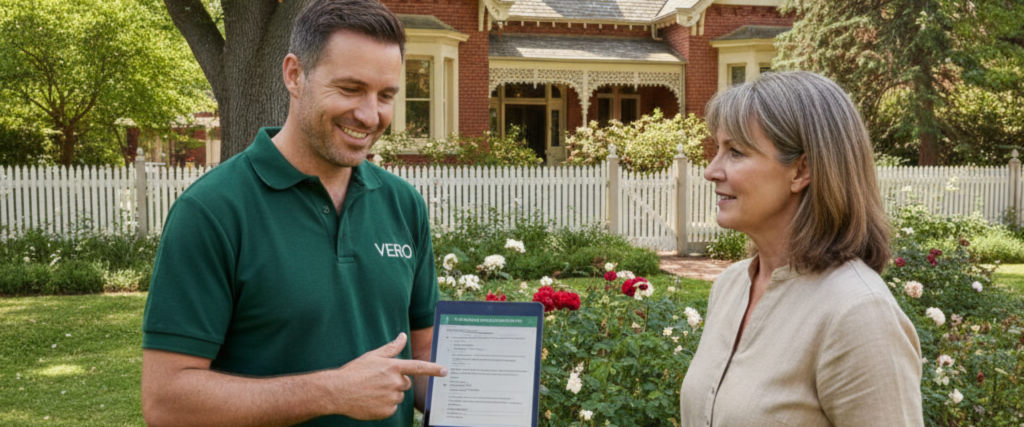
Forrest, nestled in the prestigious Canberra Central district, is renowned for its stately homes and mature, tree-lined streets, many of which fall under heritage protection. Navigating the heritage landscaping rules in this area requires a deep understanding of ACT planning regulations to preserve the suburb’s unique character. Whether you’re planning a complete garden overhaul or subtle enhancements, understanding these guidelines is crucial to ensure your outdoor space not only thrives but also respects its historical context. ACT House & Landscaping Maintenance specialises in ACT Landscaping Services And Maintenance, including the sensitive requirements of heritage properties, helping homeowners create beautiful, compliant outdoor environments.
Key Takeaways
- Heritage protection in Forrest covers both buildings and significant landscape elements, requiring specific approvals for changes.
- Approved plant species often align with those prevalent during the property’s original construction era.
- Design considerations should focus on preserving the existing character, scale, and materials of the heritage landscape.
- Engaging a landscaper with expertise in heritage regulations is essential for compliant and successful projects.
- Understanding the ACT development application process for heritage areas is a critical first step.
Understanding Heritage Listings in Forrest, Canberra Central
Properties in Forrest are often subject to heritage overlay due to their historical significance and contribution to Canberra’s garden city aesthetic. This protection isn’t just for the buildings; it extends to the landscape elements, including mature trees, original garden layouts, fencing, and even specific plant species. The primary goal of these heritage landscaping rules is to preserve the intrinsic values that define the area. Before undertaking any work, it’s vital to identify if your property is heritage-listed or within a heritage precinct. This information is typically available through the Territory Planning Authority or by reviewing your property’s title documents.
The scope of heritage protection can vary significantly from one property to another. Some listings may focus on a single, prominent tree, while others encompass an entire garden design or even the front setback area. Understanding these nuances is the first critical step in planning any outdoor project. Ignoring these regulations can lead to costly delays, rework, and potential fines, making early consultation with experts invaluable.
Navigating ACT Planning Rules for Heritage Landscapes
The Territory Planning Authority is the primary body overseeing development applications in heritage areas. For any significant changes to a heritage-listed landscape in Canberra Central, a development application (DA) is almost always required. This applies to major works like installing retaining walls, extensive earthmoving, or altering established garden beds. The application process can be complex, involving detailed plans, heritage impact statements, and sometimes public notification.
Smaller interventions, such as pruning or minor planting, may fall under ‘exempt development’ provisions, but it’s always best to confirm with the Territory Planning Authority. A key aspect of the regulatory framework is the emphasis on ‘like-for-like’ replacement or using materials and designs that are sympathetic to the original character. This ensures that any new additions integrate seamlessly without detracting from the heritage value. Engaging a landscaper familiar with these specific requirements can streamline the approval process considerably.
Preserving Forrest’s garden city aesthetic means carefully balancing modern living with historical integrity. Every landscape decision, from plant selection to structural changes, must respect the suburb’s unique heritage narrative.
Heritage Landscaping Rules
When planning a heritage landscape in Forrest, plant selection is paramount. The general principle is to choose species that were historically prevalent in Canberra during the property’s construction era or those that align with the established character of the area. This often means leaning towards a palette of robust, classic plants rather than exotic or overly modern species. Here are some key considerations:
- Native vs. Introduced: While native plants are generally encouraged in Canberra, heritage areas might favour certain introduced species that were common in early 20th-century gardens. Researching the original garden style of your home’s era is beneficial.
- Mature Trees: Existing mature trees are often protected. Any work near them, including tree removal, pruning, or significant root disturbance, requires specific arboricultural assessment and approval.
- Scale and Form: New plantings should respect the existing scale and form of the landscape. Avoid overly dominant plants that could overshadow heritage features or disrupt established sightlines.
- Hardscaping Materials: When installing paving, pathways, or decking, choose materials that are sympathetic to the heritage context. Natural stone, traditional brick, or timber are often preferred over modern composites or highly contemporary finishes.
- Garden Style: Maintain or restore garden styles that complement the architectural period of your home. Formal layouts, cottage gardens, or structured shrubberies might be appropriate depending on the property.
Ready to enhance your heritage landscape?
Our team has the expertise to navigate Forrest’s unique heritage requirements.
The Importance of Professional Earthmoving and Drainage in Heritage Areas
Any significant earthmoving in a heritage-listed property or precinct demands careful planning. Changes to ground levels can affect established drainage patterns, tree root systems, and the structural integrity of older buildings. In Forrest, with its mature gardens and often clay-rich soils, proper drainage solutions are critical. Improper drainage can lead to soil erosion, waterlogging, and damage to foundations, all of which are amplified in heritage settings.
Working with an experienced concreter or earthmoving specialist who understands the sensitivities of heritage sites is non-negotiable. They can advise on techniques that minimise disturbance, recommend appropriate materials for subsurface drainage, and ensure that any new hardscaping integrates without compromising historical integrity. This might involve manual excavation in sensitive areas or using lighter machinery to protect established features.
Maintaining Character: Garden Maintenance and Upgrades
Ongoing Home Gardening Services Canberra in Forrest’s heritage areas is about more than just aesthetics; it’s about preserving historical character. This includes specific pruning techniques for mature trees and shrubs, regular weed control to protect delicate heritage plantings, and careful management of lawns, including synthetic turf options that might require specific approvals for installation.
Upgrades, such as replacing old How Much Does a Retaining Wall Cost in Canberra? (2026 Price Guide) or enhancing garden beds, must be approached with sensitivity. If you’re looking at replacing 1970s retaining walls in Kaleen or other established Canberra suburbs, similar principles of material and design sympathy apply. For Forrest, this often means using natural stone, timber, or traditional brick to match existing structures. Careful planning ensures that modern functionality doesn’t come at the expense of historical authenticity.
Why Choose ACT House & Landscaping Maintenance for Your Forrest Project
ACT House & Landscaping Maintenance brings extensive experience to heritage landscaping rules in Canberra Central, particularly in areas like Forrest. Our team understands the nuances of working with heritage overlays, from initial consultation and design to navigating council approvals and executing sensitive construction. We pride ourselves on delivering projects that not only meet regulatory requirements but also enhance the beauty and value of your property, respecting its unique history.
We offer comprehensive services, including:
- Heritage Consultation: Expert advice on compliance, design, and plant selection for heritage-listed properties.
- Development Application Support: Assistance with preparing plans and documentation for Territory Planning Authority approvals.
- Sensitive Earthmoving & Drainage: Techniques that protect existing heritage features and ensure long-term stability.
- Period-Appropriate Design: Creating landscapes that harmonise with your home’s architectural style and historical context.
- Quality Construction: Using appropriate materials and skilled craftsmanship for retaining walls, paving, and decking.
For any heritage landscaping project in Forrest, or indeed across the broader Canberra Central district, partnering with a local expert like ACT House & Landscaping Maintenance ensures a smooth, compliant, and beautiful outcome. We help you honour the past while creating a vibrant outdoor space for the future.
For further information, see business.gov.au.
Frequently Asked Questions
What does “heritage-listed” mean for my garden in Forrest?
A heritage listing means specific elements of your property, including parts of your garden, are protected due to their historical or cultural significance. Any changes to these protected elements require approval from the Territory Planning Authority to ensure their character is maintained.
Do I need approval for minor garden maintenance like pruning or planting a small shrub?
Minor maintenance like general pruning or planting non-significant shrubs may be exempt from requiring a full development application. However, work on protected trees (e.g., significant pruning or removal) or major changes to the garden layout will almost certainly require approval. Always check with the Territory Planning Authority or a heritage landscaping expert first.
What kind of plants are typically approved for heritage gardens in Forrest?
Approved plants generally align with species common during the property’s original construction period or those that complement the established character of the area. This often includes traditional ornamental plants, certain native species, and those that respect the scale and form of the existing landscape. Your landscaper can provide a suitable plant palette.
Can I install modern features like a new deck or synthetic turf in a heritage garden?
It’s possible, but these installations will require careful consideration and approval. The design, materials, and placement must be sympathetic to the heritage context. For example, a deck might need to use traditional timber, and synthetic turf may be subject to strict conditions regarding its impact on the historical appearance. Consultation with the Territory Planning Authority is essential.
How important is professional help for heritage landscaping projects?
Professional help is highly recommended. Landscapers experienced in heritage regulations can guide you through the complex approval processes, ensure compliant designs, select appropriate materials and plants, and execute work sensitively to preserve your property’s historical value while achieving your desired outdoor aesthetic.
Visit ACT House & Landscaping Maintenance Today
Ready to transform your Forrest garden while respecting its unique heritage? Contact us for expert advice and quality landscaping services.