Skip to content

P.O. Box 772 CIVIC SQUARE ACT 2608

About our Company


Maintaining a beautiful garden in Gungahlin requires a strategic approach, especially given Canberra’s distinct seasonal climate. From frost-laden winters to scorching summers, each season presents unique challenges and opportunities for homeowners. This guide provides practical advice on seasonal landscaping services in Canberra and how to budget for garden maintenance in Gungahlin, ensuring your outdoor space thrives year-round. Understanding these cycles helps you keep your garden healthy and vibrant, whether you’re establishing a new garden in areas like Throsby or Taylor, or refreshing an older one in Casey.

Key Takeaways

  • Canberra’s climate dictates specific seasonal garden maintenance tasks, from frost protection in winter to diligent watering in summer.
  • New-estate gardens in Gungahlin require initial investment in soil conditioning, turf, and irrigation, while established gardens focus on renovation and mature plant care.
  • Lawn care routines, including mowing, fertilising, and weed control, vary significantly with each season to ensure optimal health.
  • Understanding when to handle tasks yourself versus hiring professional home gardening services can help manage your garden maintenance budget effectively.
  • A repeatable seasonal calendar helps Gungahlin homeowners plan proactive garden care and avoid common mistakes.

Garden Maintenance Gungahlin

Gungahlin, like the rest of Canberra, experiences a temperate climate with four distinct seasons. This means your garden maintenance schedule needs to be highly adaptable. The Bureau of Meteorology provides detailed climate data, highlighting key factors such as:

  • Cold Winters: Expect hard frosts from May to September, requiring protection for sensitive plants.
  • Hot, Dry Summers: December to February brings high temperatures and often low rainfall, making watering and mulching critical.
  • Variable Rainfall: While Canberra receives rainfall throughout the year, dry spells can occur in any season, necessitating mindful irrigation.
  • Wind: Strong winds, particularly in spring and autumn, can cause physical damage to plants and dry out soil rapidly.

These climatic conditions directly influence when and how you perform various garden tasks, from pruning to planting and pest control. Ignoring these seasonal shifts can lead to plant stress, disease, and increased costs for remediation.

Spring into Action: Reviving Your Gungahlin Garden

Spring (September to November) is a period of rapid growth and rejuvenation for your garden. This is the ideal time to lay the groundwork for a lush summer landscape in Gungahlin. Key tasks for effective garden maintenance in Gungahlin include:

  • Lawn Revival: Dethatch and aerate your lawn to improve air and water penetration. Apply a slow-release lawn fertiliser to encourage strong growth. Address any winter-borne weeds with targeted treatments.
  • Mowing: Resume regular mowing once growth picks up in mid-September. Start at a medium cutting height (around 40–50 mm) and mow weekly as the weather warms. Avoid scalping — it weakens the turf heading into summer.
  • Planting: Spring is perfect for planting new shrubs, perennials, and annuals. For new estates in Throsby or Taylor, focus on establishing hardy, drought-tolerant species suited to Canberra’s climate.
  • Soil Preparation: Incorporate compost and organic matter into garden beds to enrich the soil. This is especially vital for new builds where soil quality may be poor.
  • Weed Control: Be proactive with weed removal, as warmer temperatures stimulate rapid germination. Mulching after weeding helps suppress new growth.
  • Irrigation Check: Inspect and repair your irrigation system to ensure it’s ready for increased watering demands.

Effective garden maintenance in Gungahlin is all about foresight. Preparing your garden in spring sets the stage for resilience against Canberra’s challenging summer heat and winter frosts.

Summer Care: Battling the Gungahlin Heat

Canberra summers (December to February) can be intense, with prolonged periods of high temperatures and dry conditions. Your garden maintenance strategy in Gungahlin must prioritise water conservation and heat stress prevention:

  • Watering: Water deeply and early in the morning to minimise evaporation. Focus on established plants and new plantings, ensuring they receive adequate moisture. Consider drip irrigation for efficiency. If you’ve recently laid turf on a new estate block, water it daily for the first two to three weeks — new turf roots are shallow and can die within days during a Canberra heatwave if left to dry out.
  • Mulching: Top up mulch layers in garden beds to retain soil moisture, regulate soil temperature, and suppress weeds. Organic mulches also break down, enriching the soil. Aim for a consistent 5–10 cm layer, keeping it clear of plant stems to prevent collar rot.
  • Lawn Mowing: Raise your mower’s cutting height to 50–60 mm to leave longer blades, which shade the soil and reduce water loss. Mow frequently enough to avoid removing more than one-third of the blade length at a time. In extreme heat, stretch mowing intervals to fortnightly to reduce stress on the turf.
  • Heat Stress Monitoring: Watch for signs of heat stress (wilting, discolouration) and provide extra water or temporary shade as needed.
  • Pest and Disease Management: Warm weather can bring increased pest activity. Monitor plants regularly and address any issues promptly with appropriate treatments.

Autumn Preparation: Setting Your Garden Up for Winter

Autumn (March to May) is a crucial period for preparing your Gungahlin garden for the cold winter months. Focusing on these tasks will ensure a healthy return in spring:

  • Lawn Mowing: Gradually lower your mowing height back to 30–40 mm as growth slows. Continue mowing fortnightly through April, then do a final tidy cut in late May before the lawn goes dormant for winter.
  • Pruning: Prune deciduous trees and shrubs after they drop their leaves. Remove dead or diseased branches from all plants. This is also a good time for shaping.
  • Leaf Clean-Up: Rake and remove fallen leaves from lawns and garden beds. Excessive leaf litter can smother grass and harbour pests. Consider composting them for future soil enrichment. For large volumes, affordable green waste removal services can be invaluable.
  • Fertilising: Apply a low-nitrogen, high-potassium fertiliser to lawns and garden beds to strengthen root systems for winter.
  • Planting for Winter: Plant winter-flowering annuals and frost-hardy shrubs that will provide colour during the colder months.
  • Drainage Check: Ensure your drainage systems are clear and functioning correctly to prevent waterlogging during winter rains.

Winter Maintenance: Frost Protection and Reduced Activity

Canberra winters (June to August) are characterised by cold temperatures and frequent frosts. Garden maintenance in Gungahlin during this time is generally less intensive but focuses on protection and minimal disturbance:

  • Frost Protection: Cover sensitive plants with frost cloth or hessian, especially on clear, still nights when frost is most likely. Move potted plants to sheltered locations.
  • Reduced Watering: Water sparingly, only when the soil is dry, and preferably in the morning to allow plants to absorb moisture before freezing temperatures set in.
  • Lawn Care: Warm-season lawns such as couch and kikuyu go dormant over winter in Canberra, so mowing is generally unnecessary. If your lawn is a cool-season variety like tall fescue, an occasional light mow at 40–50 mm during mild spells is sufficient.
  • Minimal Pruning: Avoid heavy pruning during winter, as new growth can be susceptible to frost damage. Only remove dead or severely damaged branches.
  • Weed Control: Continue to remove winter weeds, which can compete for resources with dormant plants.
  • Tool Maintenance: Use this quieter period to clean, sharpen, and service your garden tools and equipment.

Realising Your Gungahlin Garden Needs Expert Care?

If you’re finding the seasonal demands of your Gungahlin garden overwhelming, Act House & Landscaping Maintenance is here to help. Get a free quote tailored to your property’s specific needs.

Call 0406 700 400

Your Year-Round Maintenance Calendar

Use this quarter-by-quarter calendar as a repeatable reference for the five core garden maintenance tasks in Gungahlin. Print it, stick it on your shed wall, and tick off each task as you go.

Task Spring (Sep–Nov) Summer (Dec–Feb) Autumn (Mar–May) Winter (Jun–Aug)
Mowing Resume weekly mowing at 40–50 mm once growth kicks in mid-Sep. Raise to 50–60 mm; mow fortnightly in extreme heat. Lower to 30–40 mm; mow fortnightly, final cut late May. Dormant warm-season lawns: skip. Cool-season: occasional light mow at 40–50 mm.
Pruning Light tip-prune spring-flowering shrubs after blooms finish. Deadhead spent flowers; remove water shoots. Shape deciduous trees and shrubs once leaves drop. Remove dead or diseased wood. Minimal — remove only dead or damaged branches. Avoid stimulating new growth that frost will kill.
Mulching Top up beds to 5–10 cm after weeding and planting. Replenish any thin spots; critical for moisture retention in the heat. Refresh garden beds after leaf clean-up and new plantings. Leave existing mulch in place; it insulates roots against frost.
Fertilising Slow-release lawn fertiliser (high nitrogen) in Sep. Feed garden beds with compost. Generally avoid — heat + fertiliser can burn roots. Liquid seaweed is a safe tonic if needed. Low-nitrogen, high-potassium fertiliser for lawns and beds to harden plants for winter. No fertilising — plants are dormant or near-dormant.
Watering Increase as temps rise. Check irrigation is functional. Water new plantings deeply. Deep-water lawns 2–3×/week (≈25 mm/session), early morning. New turf: daily for first 2–3 weeks. Taper off as temps cool. Water newly planted winter stock until established. Sparingly — only when soil is dry. Water in the morning so roots aren’t sitting in freezing moisture overnight.

New-estate tip: In the first 12 months after turf laying, follow the summer watering row religiously — shallow new roots are the most vulnerable part of any Gungahlin garden. Established-garden tip: Prioritise the pruning and mulching rows — mature plants benefit more from good structure and soil health than from extra water or feed.

New-Estate vs. Established Gardens: Different Needs, Similar Goals

The type of garden you have in Gungahlin will influence your maintenance priorities and budget:

New-Estate Gardens (e.g., Throsby, Jacka, Casey)

New builds often start with bare blocks and require significant upfront investment in landscaping services. Initial costs will focus on:

  • Soil Conditioning: Amending nutrient-poor construction soil with organic matter to create a healthy base.
  • Turf Laying: Installing new lawn, which needs diligent watering and care in its first year. In summer, this means daily watering for the first two to three weeks — new turf with shallow roots can brown off and die in as little as 48 hours during a Canberra heatwave if water is missed.
  • Irrigation Systems: Essential for efficient watering and plant establishment, especially in Gungahlin’s dry periods.
  • Young Plantings: Selecting and planting appropriate trees, shrubs, and groundcovers that will thrive in Canberra’s climate.
  • Basic Hardscaping: Installing pathways, small retaining walls, or garden beds to define spaces.

Established Gardens (e.g., Forde, Moncrieff)

Older gardens in Gungahlin may require refresh and renovation rather than starting from scratch. Maintenance here focuses on:

  • Mature Pruning: Shaping and maintaining established trees and shrubs, which may require professional help for larger specimens.
  • Lawn Renovation: Addressing compaction, bare patches, or excessive thatch in older lawns.
  • Drainage Upgrades: Improving existing drainage to prevent issues in mature landscapes.
  • Garden Bed Revitalisation: Replenishing soil, dividing overgrown perennials, and refreshing plantings.
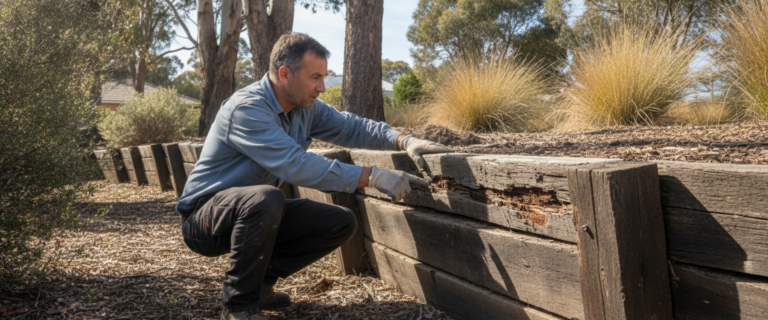
  • Structural Repairs: Maintaining or replacing older retaining walls, paving, or decking.

Common Seasonal Mistakes to Avoid

Even experienced Gungahlin gardeners can trip up on timing. Here are the most damaging mistakes we see, and how to sidestep them:

  • Pruning frost-tender plants in late autumn or winter: Pruning stimulates new growth, and that soft new growth is the first thing a hard Canberra frost will kill. Wait until the risk of frost has passed in mid-to-late September before pruning species like roses, gardenias, or citrus.
  • Underwatering new turf in summer: Freshly laid turf on a new-estate block has almost no root depth. Missing even a single day of watering during a 35°C-plus stretch can cause irreversible browning. Water daily for the first two to three weeks, then transition to deep watering every second day once roots have anchored.
  • Fertilising in the heat of summer: Applying granular fertiliser when temperatures are above 30°C can scorch roots and burn leaf tissue. If plants need a boost in January, use a diluted liquid seaweed solution instead.
  • Scalping the lawn in spring: After a long dormant winter, it’s tempting to mow low to tidy things up. Cutting more than one-third of the blade length in a single pass shocks the grass and opens the door to weeds. Bring the height down gradually over two or three mows.
  • Skipping autumn mulch: Mulch applied in autumn insulates roots through winter frosts and reduces moisture loss if the season turns dry. Leaving beds bare into June means roots are exposed to temperature swings that stress plants and slow their spring recovery.
  • Ignoring drainage before winter: Canberra’s winter rains can waterlog compacted clay soils common in newer Gungahlin suburbs. Clear drainage channels and check downpipe run-offs in March or April — waterlogged roots rot, and the damage only shows up in spring when the plant fails to bounce back.

When to DIY vs. Hire a Professional Landscaper

Many routine garden maintenance tasks in Gungahlin can be handled by homeowners. However, knowing when to call in the experts can save time, prevent costly mistakes, and ensure high-quality results.

DIY Tasks

  • Regular lawn mowing (if you have the equipment and time)
  • Weeding and light mulching
  • Seasonal planting of annuals
  • Basic watering and irrigation checks
  • Leaf raking and general tidying

When to Hire Act House & Landscaping Maintenance

For more complex or time-consuming tasks, professional garden maintenance services in Canberra offer expertise and efficiency. Consider hiring for:

  • Large-Scale Projects: Initial bare-block landscaping, major garden renovations, or significant earthmoving.
  • Specialised Pruning: Pruning large trees, complex hedges, or fruit trees that require specific techniques.
  • Turf Installation and Renovation: Ensuring proper ground preparation and laying for a healthy, long-lasting lawn.
  • Irrigation System Design and Installation: Professional systems are efficient and tailored to your garden’s needs.
  • Retaining Walls and Hardscaping: These structural elements require specific skills and adherence to building codes.
  • Seasonal Overhauls: Comprehensive spring clean-ups or autumn preparations can be time-consuming for homeowners.
  • Ongoing Garden Maintenance: For busy homeowners, regular professional garden maintenance Gungahlin ensures your garden always looks its best.

Frequently Asked Questions

What is the best time of year for landscaping projects in Gungahlin?

While minor projects can occur year-round, spring and autumn are generally considered the best time of year for landscaping in Canberra. The milder temperatures are ideal for plant establishment and soil work, reducing stress on new plantings and workers.

How often should I water my Gungahlin lawn in summer?

In Gungahlin’s hot, dry summers, deep watering 2-3 times a week is generally more effective than shallow daily watering. Aim to deliver about 25mm of water per session, encouraging deeper root growth. Always water in the early morning to minimise evaporation.

What are common mistakes Gungahlin homeowners make with garden maintenance?

Common mistakes include pruning at the wrong time (e.g., heavy pruning in late autumn/winter for frost-sensitive plants), inadequate watering during dry spells, not mulching sufficiently, and neglecting soil health. Ignoring these can lead to stressed plants and increased maintenance efforts. For more general garden and plant care tips, explore our guide.

Is mulching necessary in Gungahlin’s climate?

Yes, mulching is highly beneficial in Gungahlin. It helps retain soil moisture, suppresses weeds, regulates soil temperature (keeping roots cooler in summer and warmer in winter), and improves soil structure as it breaks down. Apply a layer of organic mulch 5-10cm thick.

How do I protect my plants from Gungahlin’s winter frosts?

For frost-sensitive plants, cover them with frost cloth, hessian, or old sheets on clear, still nights when frost is predicted. Ensure the cover doesn’t touch the foliage directly. Move potted plants to sheltered areas like verandas or indoors. Consider planting frost-tolerant species in exposed areas.

Conclusion

Effective garden maintenance in Gungahlin is a year-round commitment that adapts to Canberra’s unique climate. By understanding the seasonal demands and implementing a proactive approach, homeowners can ensure their gardens remain healthy, vibrant, and a source of enjoyment. Whether you’re nurturing a new garden in Jacka or refreshing an established landscape in Moncrieff, a strategic maintenance plan is key to success.

Act House & Landscaping Maintenance offers expert advice and professional services tailored to Gungahlin’s specific needs. From seasonal clean-ups to ongoing garden maintenance Gungahlin, our team can help you achieve the garden of your dreams without the stress.

Related resources

Visit Act House & Landscaping Maintenance Today

Ready to transform your Gungahlin garden or need reliable seasonal maintenance? Our experienced team is just a call away for expert advice and tailored solutions.

Get in Touch

Service we Offer

Our Points of Difference

We stand out from other domestic and commercial house and landscaping experts in many things as mentioned in below:

  • Assurance to cater 100% customer satisfaction results.
  • The door to door service is provided and the staff is trained, police verified and fully insured having extensive product knowledge and insight.
  • The equipment's and products that are used are up to date and latest.
  • Competent prices and the services provided as per the industry standards.
  • The offering of 24/7 and 365 days a year personalized services.

Client Says

Testimonial from our Happy Clients

About our Company

Belconnen, a vibrant district in Canberra’s north, is well-known for its established suburbs and growing new estates. However, many homeowners and property managers in areas like Kaleen, Bruce, and the newer developments of Macnamara face a common challenge: clay soil and its impact on drainage. Effective landscaping is crucial for managing this, ensuring your garden thrives and your property remains protected from waterlogging. Understanding the characteristics of Belconnen’s clay soil and implementing appropriate drainage solutions is key to maintaining a healthy and functional outdoor space.

Key Takeaways

  • Belconnen’s clay soil presents unique drainage challenges due to its dense composition.
  • Signs of poor drainage include waterlogging, stunted plant growth, and a muddy lawn.
  • DIY solutions like soil amendment and raised garden beds can improve clay soil.
  • Professional solutions such as French drains, subsurface drainage, and earthmoving services are effective for severe issues.
  • Proper drainage protects property value and ensures long-term garden health.

Understanding Belconnen’s Clay Soil Drainage Belconnen

Clay soil is prevalent throughout the ACT, including many parts of Belconnen. In our experience, its fine particles pack tightly together, leaving little room for water and air to circulate. Unlike sandy or loamy soils, clay has a platelet-like particle structure that causes it to swell when wet and shrink when dry, creating a near-impermeable barrier that traps water at the surface. This leads to several problems for gardens and properties:

  • Poor Drainage: Water struggles to penetrate clay soil, resulting in surface water runoff or prolonged pooling after rain. This can lead to waterlogging, suffocating plant roots and making areas unusable.
  • Soil Compaction: When wet, clay soil becomes dense and heavy. As it dries, it hardens, making it difficult for roots to grow and for essential nutrients to reach plants.
  • Nutrient Imbalance: While clay soil can be rich in nutrients, poor drainage can lead to anaerobic conditions, which hinder nutrient uptake by plants.
  • Structural Damage: Persistent waterlogging around foundations can compromise structural integrity over time, leading to costly repairs.

Identifying these challenges early is crucial for effective clay soil drainage Belconnen management.

Why Belconnen Faces Particular Drainage Difficulties

While clay soil is common across the ACT, Belconnen residents often face a combination of local factors that can intensify drainage problems:

  • Red and Yellow Clay Subsoils: Much of Belconnen sits on heavy red and yellow clay subsoils that are especially slow-draining. In established suburbs like Kaleen, Florey, and Macgregor, decades of foot traffic and lawn maintenance have compacted these soils further, reducing infiltration rates to as little as 1–5 mm per hour.
  • New Development Disturbance: In newer estates like Macnamara, Whitlam, and Strathnairn, construction machinery heavily compacts the natural clay profile. Builders often strip the organic topsoil layer during site preparation, leaving homeowners with raw, exposed clay that sheds water almost entirely.
  • Canberra’s Extreme Climate Swings: Belconnen experiences hot, dry summers and cold winters that regularly dip below freezing. This cycle causes clay to crack deeply in summer, then swell and seal shut when autumn rains arrive — meaning heavy downpours hit soil that is already saturated or sealed at the surface.
  • Ginninderra Creek Catchment: Much of Belconnen drains into the Ginninderra Creek system. Properties on lower-lying land near the creek corridor or around Lake Ginninderra can receive runoff from surrounding slopes, compounding waterlogging on already clay-heavy blocks.
  • Varied Topography: Belconnen’s landscape ranges from relatively flat areas in Giralang and McKellar to steeper slopes in parts of Bruce and Cook. Sloped blocks shed water onto downhill neighbours, while flat blocks have no natural gradient to move water away from structures.

These local conditions mean that a drainage solution that works well in a sandy-soil suburb may be completely inadequate for a Belconnen property. Any effective plan needs to account for the specific soil profile, slope, and catchment position of your block.

Signs of Poor Drainage and Waterlogging

It’s important to recognise the indicators of inadequate drainage on your Belconnen property. Catching these signs early can prevent more significant problems down the line:

  • Standing Water: After rainfall, puddles remain on your lawn or garden beds for extended periods.
  • Muddy or Spongy Areas: Certain spots in your yard consistently feel soft and muddy, even days after rain.
  • Stunted Plant Growth: Plants appear unhealthy, yellowing, or failing to thrive, despite adequate watering and fertilisation. This is often due to root rot from lack of oxygen.
  • Moss or Algae Growth: The presence of moss or algae on the soil surface is a clear sign of persistent moisture and poor airflow.
  • Basement or Crawl Space Moisture: Water problems outside can often lead to dampness or leaks in lower parts of your home.

If you observe any of these issues, it’s time to consider drainage improvement solutions for your property.

Effective drainage isn’t just about moving water; it’s about creating a balanced environment where your garden can flourish and your property remains protected.

DIY Solutions for Improving Clay Soil Drainage

For minor drainage issues or as a proactive measure, several DIY methods can significantly improve clay soil in your Belconnen garden:

  • Soil Amendment: Incorporating organic matter such as compost, well-rotted manure, or gypsum can dramatically improve clay soil structure. This loosens the soil, creating larger pore spaces for water and air. Aim for a generous layer (10-15 cm) mixed into the top 20-30 cm of soil.
  • Raised Garden Beds: Building raised beds is an excellent way to bypass problematic clay soil entirely. Fill them with a high-quality, well-draining soil mix that provides an optimal growing environment for your plants. This is particularly effective for vegetable gardens or ornamental displays.
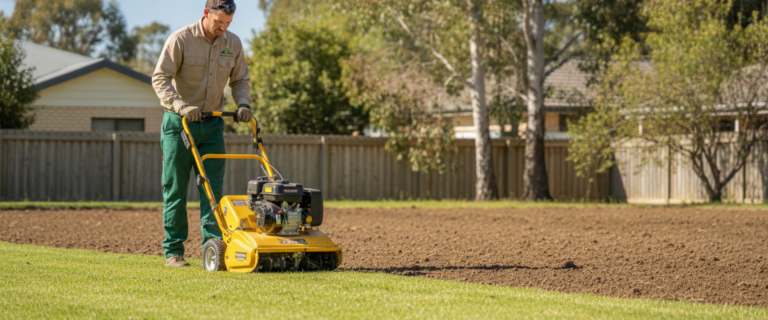
  • Aeration: Regularly aerating your lawn, especially in areas prone to compaction, can help water penetrate deeper into the soil. Manual or mechanical aerators create small holes, improving air and water movement.
  • Strategic Planting: Choose plants that are known to tolerate or even thrive in clay soil conditions. Native ACT species such as Kangaroo Grass (Themeda triandra), Lomandra, and native Geraniums are well-adapted to heavy clay and their deep root systems gradually break up compacted layers over time.

Dealing with Complex Drainage Issues?

Our experts can assess your Belconnen property and recommend the most effective drainage solutions tailored to your needs.

Call 0406 700 400

Improving Clay Soil for the Long Term

One-off amendments help, but genuinely transforming Belconnen’s heavy clay into productive garden soil often requires an ongoing approach over several years:

  • Annual Organic Top-Dressing: Each autumn, spread 5–8 cm of quality compost or aged manure across garden beds and rake it into the surface. Over successive seasons, earthworms and soil microbes incorporate this organic matter deeper, steadily improving soil structure and drainage capacity.
  • Permanent Mulch Cover: Maintain a 7–10 cm layer of coarse organic mulch (such as eucalyptus bark or woodchip) year-round. Mulch regulates soil moisture, reduces the extreme wet-dry cracking cycle that recompacts clay, and feeds beneficial soil biology as it decomposes.
  • Cover Cropping in Bare Beds: Sow a green manure crop like clover or field peas in unused beds over winter. Their root networks physically loosen clay, and when slashed and turned in before spring planting, they add a fresh pulse of organic matter.
  • Avoid Working Wet Clay: Digging or walking on clay soil when it is saturated destroys its structure and undoes months of improvement. Wait until it is moist but crumbly before cultivating, and use stepping stones or defined paths to minimise compaction in garden beds.

While these methods can be effective, severe or widespread drainage problems often require professional intervention.

Professional Drainage Solutions for Belconnen Properties

When DIY methods aren’t enough, professional drainage excavation services offer robust and long-lasting solutions for Belconnen properties:

  • French Drains: A French drain is a trench filled with aggregate (gravel or crushed rock) and a perforated pipe, designed to redirect surface water and subsurface drainage away from problem areas. The trench is lined with geotextile fabric to prevent soil from clogging the system.
  • Subsurface Drainage Systems: These systems involve a network of perforated pipes buried beneath the ground to collect excess water and channel it to a suitable outlet, such as a storm drain or a designated absorption area. This is ideal for large lawns or extensive garden beds.
  • Surface Drainage Solutions: Techniques like grading and swales can effectively manage surface drainage. Grading involves reshaping the land to create gentle slopes that direct water away from structures. Swales are shallow, wide, and vegetated channels that slow and collect runoff. Our Bobcat grading services in Belconnen are instrumental in achieving correct slopes for effective surface water management.
  • Earthmoving Services: For significant regrading or extensive drainage system installation, earthmoving services using machinery like excavators and bobcats are essential. This allows for efficient excavation, soil redistribution, and compaction to create stable and well-drained landscapes.

Choosing the Right Solution for Your Property

Selecting the most appropriate clay soil drainage Belconnen solution depends on several factors:

  • Severity of the Problem: Minor waterlogging might respond to DIY soil amendments, while persistent pooling or structural concerns demand professional systems.
  • Property Layout and Topography: The natural slope of your land, existing structures, and garden design will influence the feasibility and effectiveness of different solutions.
  • Budget: DIY options are generally more cost-effective, but professional systems offer long-term reliability and peace of mind, potentially saving money on future repairs.
  • Long-Term Goals: Are you looking for a quick fix or a comprehensive solution that enhances your garden’s health and property value for years to come?

A professional assessment by Act House & Landscaping Maintenance can help you weigh these factors and choose the best path forward for your Belconnen property.

Benefits of Effective Drainage for Garden Health and Property Value

Investing in proper drainage for your Belconnen property yields significant returns, both for your garden and your home:

  • Healthier Gardens: Plants thrive in well-drained soil that allows for proper root respiration and nutrient absorption. Effective drainage prevents root rot and encourages vigorous growth, contributing to overall home gardening services.
  • Increased Usability: Say goodbye to muddy, unusable areas. Well-drained spaces can be enjoyed year-round for recreation, entertaining, or simply relaxing.
  • Property Protection: By directing water away from foundations, driveways, and patios, drainage solutions prevent erosion, cracking, and structural damage, safeguarding your investment.
  • Enhanced Property Value: A beautifully landscaped property with excellent drainage is highly attractive to potential buyers, adding significant kerb appeal and value.
  • Reduced Maintenance: Healthy plants and stable soil reduce the need for constant intervention, making your garden easier to care for in the long run.

When to Call Act House & Landscaping Maintenance

While some drainage issues can be tackled by homeowners, certain situations warrant calling in the experts at Act House & Landscaping Maintenance:

  • Persistent Waterlogging: If standing water remains for more than 24-48 hours after rain, professional intervention is likely needed.
  • Foundation Concerns: Any signs of cracking, dampness, or leaks in your home’s foundation or basement indicate a serious drainage problem that requires immediate attention.
  • Extensive Earthmoving: Projects requiring significant excavation, grading, or reshaping of your landscape are best handled by experienced professionals with the right equipment.
  • Complex Solutions: Installing French drains, subsurface drainage, or intricate surface grading requires specific knowledge and precision to be effective.
  • Time and Expertise Constraints: If you lack the time, tools, or expertise to implement effective solutions, trusting professionals ensures the job is done right the first time.

Act House & Landscaping Maintenance offers comprehensive landscaping services in Canberra, with local expertise in Belconnen’s unique soil conditions.

Frequently Asked Questions

What are the primary characteristics of clay soil?

Clay soil is characterised by very fine particles that pack tightly together, limiting pore space for water and air. This leads to slow drainage, a heavy texture when wet, and a tendency to harden and compact when dry.

How does clay soil affect plant health?

Poor drainage in clay soil can lead to waterlogged conditions that suffocate plant roots due to lack of oxygen. This can cause root rot, stunted growth, yellowing leaves, and overall plant decline, even with adequate watering.

Can I improve clay soil drainage myself?

Yes, for minor issues, you can improve clay soil by incorporating large amounts of organic matter like compost or gypsum, creating raised garden beds, and aerating your lawn. These methods help break up the dense soil structure.

What is a French drain and when is it needed?

A French drain is a trench containing a perforated pipe surrounded by gravel, often wrapped in geotextile fabric. It’s needed to collect and redirect surface and subsurface water away from areas prone to waterlogging, such as near foundations or in consistently wet garden beds.

How can professional earthmoving help with drainage?

Professional earthmoving services use specialised machinery like excavators and bobcats to efficiently reshape land (grading), dig trenches for drainage systems, and prepare sites for new landscaping. This is crucial for creating proper slopes and installing complex drainage solutions that effectively manage water flow.

Does improving drainage increase property value?

Absolutely. Effective drainage prevents water damage to foundations, enhances garden health and usability, and improves the overall kerb appeal of your property. These factors make your home more attractive to potential buyers and can significantly increase its market value.

Conclusion

Managing clay soil drainage Belconnen is a crucial aspect of property maintenance and landscaping in the district. From identifying early signs of waterlogging to implementing advanced subsurface drainage and surface drainage solutions, addressing these challenges ensures a healthier garden and a more protected home. Whether you opt for DIY soil amendments or require comprehensive earthmoving services and French drain installation, Act House & Landscaping Maintenance offers the local expertise and solutions you need. Don’t let poor drainage compromise your outdoor space; take proactive steps to create a resilient and beautiful landscape.

Related resources

Visit Act House & Landscaping Maintenance Today

Ready to improve your Belconnen property’s drainage and ensure your garden thrives? Our team provides tailored solutions for clay soil and water management.

Get in Touch

Service we Offer

Our Points of Difference

We stand out from other domestic and commercial house and landscaping experts in many things as mentioned in below:

  • Assurance to cater 100% customer satisfaction results.
  • The door to door service is provided and the staff is trained, police verified and fully insured having extensive product knowledge and insight.
  • The equipment's and products that are used are up to date and latest.
  • Competent prices and the services provided as per the industry standards.
  • The offering of 24/7 and 365 days a year personalized services.

Client Says

Testimonial from our Happy Clients

About our Company

Transforming the outdoor spaces of an established Kambah home requires a thoughtful approach, blending modern aesthetics with existing charm. Effective landscaping design in Kambah considers the unique characteristics of Tuggeranong properties, from mature trees to established hardscaping, ensuring a cohesive and sustainable result. Whether you’re refreshing a tired garden or envisioning a complete outdoor overhaul, understanding local conditions and design principles is key to creating a beautiful and functional landscape that enhances your home’s value and appeal. Our team excels in providing exceptional landscaping services in Canberra.

Key Takeaways

  • Compare design approaches — native bush garden, formal structured, low-maintenance contemporary, or outdoor entertaining — to find what suits your property, lifestyle and budget.
  • Established Kambah homes benefit from designs that integrate existing features like mature trees and retaining walls into a cohesive plan.
  • Prioritise water-wise and frost-tolerant plants suited to Canberra's climate and Kambah's clay-heavy soil, supported by efficient irrigation.
  • Consider front yard designs that enhance street appeal and backyard layouts that maximise outdoor living and entertaining.
  • The landscaping design process involves consultation, a detailed plan, and clear cost factors so you know what to expect before committing.

Landscaping Design Kambah

Unlike new builds, established Kambah homes often come with a rich history in their gardens. This means working with, rather than against, existing elements such as mature trees, established garden beds, and pre-existing retaining walls or paved areas. The approach shifts from starting with a blank canvas to thoughtfully integrating new designs that complement the property’s character and age. This can involve preserving significant trees that offer shade and habitat, or incorporating existing hardscape into a refreshed layout, saving on demolition and material costs while maintaining a sense of continuity. Our team specialises in thoughtful landscaping design in Kambah, ensuring a harmonious blend of old and new.

Integrating existing features into your Kambah landscaping design not only preserves the property’s character but also contributes to a more sustainable and cost-effective transformation.

Working with Existing Features

For many Kambah properties, the challenge and opportunity lie in enhancing what’s already there. Mature trees, for instance, provide invaluable shade and aesthetic appeal. Instead of removal, consider pruning for health and light, or designing garden beds around their root systems. Existing retaining walls, if structurally sound, can be cleaned, repaired, or faced with new materials to update their look without a full rebuild. Similarly, established paving or pathways can be extended or re-edged to create a fresh feel, linking old and new elements seamlessly. This thoughtful approach is central to effective landscaping design in Kambah.

Design Approaches That Suit Established Kambah Properties

Kambah blocks typically range from 600 to 900 square metres, with many featuring rectangular layouts, north-facing backyards, and gentle slopes. Older crescents often have irregular or pie-shaped lots, and some blocks back onto reserves or stormwater easements that shape what you can build. With those constraints in mind, four design approaches work particularly well for established properties in this part of Tuggeranong. Our team can help you achieve the perfect landscaping design in Kambah.

Native and Drought-Tolerant Garden

A native bush garden leans into Kambah’s natural setting with locally adapted species that handle frost, summer heat and clay soil with minimal fuss. Grevilleas, Callistemons, Lomandras, Dianellas and native grasses form the structural planting, while gravel mulch paths, natural stone steppers and informal groupings create a relaxed, textured look. Because these species are evolved for the region, they need far less supplementary watering and virtually no feeding once established, keeping ongoing costs low. This approach suits sun-exposed front yards and properties bordering reserves where a seamless transition to the surrounding landscape is desirable, reflecting the best principles of residential landscaping in Canberra.

Formal Structured Garden

A formal approach introduces symmetry, clipped hedges and defined geometry. Lilly Pilly or Murraya hedges frame pathways, paved courtyards centre the design, and planting beds follow clean, repeated patterns. Materials such as sandstone pavers or rendered block edging reinforce the structured feel. This style pairs well with established brick-veneer homes and creates a strong entrance statement in the front yard. The trade-off is higher ongoing maintenance — hedges need regular trimming, and Kambah’s heavy clay must be amended with gypsum and compost to give formal plantings the free-draining conditions they prefer. Consider this for your next landscaping design in Kambah.

Low-Maintenance Contemporary

For households that want a polished outdoor space without weekend upkeep, a contemporary low-maintenance design leads with hardscape. Large-format concrete pavers, composite decking and rendered retaining walls form the framework, while planting is restrained to a handful of structural specimens — ornamental grasses, a feature Japanese maple in a sheltered spot, or mass-planted Westringias that need only an annual clip. Automated drip irrigation keeps the limited planting healthy with minimal effort. Upfront costs tend to be higher because of the hardscape investment, but the near-zero ongoing labour and water use offset that over time. This style of landscaping design in Kambah is increasingly popular.

Outdoor Living and Entertaining Focus

This approach treats the backyard as an extension of the house, centring the design on a pergola or insulated patio roof, an outdoor kitchen or built-in BBQ zone, and clearly zoned areas for dining, lounging and play. Screening plants such as Photinia or tall Lomandra hedges provide privacy from neighbours, while feature lighting extends the space into the evening. This style works best on Kambah’s larger blocks where there is room to separate functional zones without the garden feeling cramped. Our experts can help you achieve this landscaping design in Kambah.

Zone Refresh or Whole-Property Redesign?

Not every established property needs a ground-up redesign. Sometimes a targeted refresh — updating the front yard for street appeal, rebuilding a tired patio, or replanting a neglected side passage — delivers the impact you want at a fraction of the cost and disruption. A zone-by-zone approach also lets you stage the work over several seasons, spreading the budget. A whole-property redesign makes more sense when the existing layout no longer suits how you use the space, drainage problems run across multiple areas, or you want a cohesive material palette tying front and back together. During the initial consultation, Act House & Landscaping Maintenance can help you weigh both options against your priorities and budget and help you with your landscaping design in Kambah.

Front Yard Design Ideas Suited to Kambah’s Typical Block Layout

The front yard of a Kambah home plays a crucial role in street appeal. Many blocks in Tuggeranong feature generous frontages — often eight to twelve metres wide — offering ample space for impactful designs. Corner blocks provide even more street-facing area but also more exposure to consider. Focus on creating an inviting entrance that complements the home’s architecture. Consider clear pathways, low-maintenance planting, and thoughtful lighting to enhance both aesthetics and functionality. Our experts can assist with your front yard landscaping design in Kambah.

Enhancing Street Appeal and Functionality

  • Defined Pathways: Upgrade existing pathways or install new ones with materials like exposed aggregate concrete, natural stone pavers, or decorative gravel. Ensure paths are wide enough for comfortable access and well-lit for safety.
  • Layered Planting: Create visual interest with layered planting, incorporating small shrubs, perennials, and groundcovers that thrive in the Canberra frost-prone climate. Focus on drought-tolerant and native species that require less water and maintenance.
  • Feature Elements: A well-placed feature, such as a sculptural plant, a small water feature, or an attractive letterbox, can draw the eye and add personality.
  • Edging and Borders: Crisp edging around garden beds and pathways creates a neat, professional finish, defining different zones within the front yard. This is key to effective landscaping design in Kambah.

Backyard and Outdoor Living Design Ideas

The backyard in Kambah often serves as a private oasis for relaxation and entertaining. Design ideas here should prioritise outdoor living, creating functional zones for dining, lounging, and recreation. Consider pergolas, decking, and dedicated entertaining areas that extend your living space outdoors. We can help you achieve the perfect backyard landscaping design in Kambah.

Creating Functional Outdoor Zones

  • Pergolas and Shade Structures: Essential for Canberra’s hot summers, a pergola or sail shade can define an outdoor dining area, offering protection from the sun while adding architectural interest.
  • Decking and Patios: Extend your indoor living area with a timber deck or paved patio. These provide a solid, level surface for outdoor furniture and can be designed to step down into the garden, creating a seamless transition.
  • Entertaining Areas: Incorporate built-in seating, an outdoor kitchen or BBQ zone, and ambient lighting to create a welcoming space for gatherings.
  • Irrigation Systems: An automated drip or pop-up irrigation system takes the guesswork out of watering, delivering the right amount to each zone — lawns, garden beds and potted features — while keeping water use efficient under Canberra’s permanent water-wise rules.
  • Turf and Garden Beds: Balance hardscaping with softscaping. Consider new turf installation for play areas, or revitalise existing lawns with professional lawn care. Design garden beds with a mix of evergreen and seasonal plants for year-round interest. This thoughtful approach is crucial for any landscaping design in Kambah.

Ready to explore Kambah landscaping ideas?

Discuss your vision with our local experts. We’re here to help you bring your outdoor dreams to life.

Call 0406 700 400

Retaining Walls and Slope Management for Kambah’s Terrain

Many Kambah properties, particularly those in older sections of Tuggeranong, feature sloping blocks. Effective slope management is crucial for both aesthetics and functionality, preventing erosion and creating usable, level areas. Retaining walls are often a necessary and attractive solution for these challenges. We can help with expert landscaping design in Kambah for properties with challenging terrain.

Practical Solutions for Sloping Blocks

  • Terracing: Break down steep slopes into a series of level terraces using retaining walls. This creates flat zones for garden beds, seating areas, or pathways, maximising usable space.
  • Material Selection: Choose materials that complement your home’s style. Options include timber sleepers for a natural look, concrete blocks for durability, or natural stone for a premium finish. Kambah’s reactive clay soil can shift seasonally, so engineered footings and adequate reinforcement are important for walls above 600 mm. For more information on costs, explore our guide to retaining wall costs in Canberra.
  • Drainage: Proper drainage behind retaining walls is essential to prevent water buildup and structural issues. Act House & Landscaping Maintenance can integrate effective drainage solutions into the design.
  • Garden Beds: Retaining walls can define raised garden beds, making gardening more accessible and adding visual depth to the landscape. These elements are key to successful landscaping design in Kambah.

Plant Selection for Kambah’s Frost-Prone Climate and Clay-Heavy Soil

Canberra’s climate presents specific challenges, including hot, dry summers and cold, frost-prone winters with temperatures regularly dropping below minus five degrees. Kambah’s soil is predominantly heavy clay that waterloggs in winter and cracks in summer, requiring careful plant selection and soil improvement. These conditions also influence material choices — clay movement can stress rigid paving and shallow footings, so flexible laying patterns and deep-set posts perform better over time. Prioritising water-wise and drought-tolerant species is vital for a sustainable landscape. Our expertise in landscaping design in Kambah ensures the right plant choices for your garden.

Sustainable and Resilient Planting

  • Frost-Tolerant Natives: Opt for native Australian plants that are well-adapted to the Canberra frost-prone climate. Species like many Grevilleas, Callistemons, and some Eucalyptus varieties thrive here.
  • Drought-Tolerant Options: With water restrictions a common concern, choose plants that can withstand dry periods, such as succulents, ornamental grasses, and certain Mediterranean species.
  • Soil Improvement: Before planting, amend Kambah’s clay-heavy soil with organic matter like compost and gypsum to improve drainage and nutrient retention. This creates a healthier environment for plant growth. This is vital for any landscaping design in Kambah.
  • Irrigation: Even drought-tolerant plants benefit from consistent deep watering during establishment. A zoned drip irrigation system lets you deliver more water to thirsty garden beds and less to hardy native areas, keeping usage efficient and compliant with ACT water-wise guidelines.
  • Mulching: Apply a thick layer of organic mulch to garden beds to retain soil moisture, suppress weeds, and regulate soil temperature, benefiting plants in both summer and winter.

Hardscape Options for Durability and Style

Hardscaping forms the backbone of any residential landscaping design in Kambah, providing structure, pathways, and functional surfaces. For established Kambah homes, durable and aesthetically pleasing hardscape options are essential. This is a crucial consideration for any landscaping design in Kambah.

Paving, Concreting, and Edging

  • Paving: A wide range of pavers are available, from natural stone (sandstone, granite) to concrete pavers in various colours and textures. Paving is ideal for patios, courtyards, and main pathways.
  • Concreting: Coloured or stencilled concrete can provide a durable and low-maintenance surface for driveways, large patios, or utility areas. Exposed aggregate offers a textured, modern look.
  • Edging: Define garden beds and pathways with various edging materials, including timber, brick, metal, or concrete. This creates clean lines and prevents turf or mulch from spilling over.
  • Pathways: Beyond main paths, consider secondary pathways using stepping stones or gravel to connect different areas of the garden, adding charm and encouraging exploration.

ACT Planning Rules and Tree Protection Before You Start

Before breaking ground on a Kambah landscaping project, it is worth understanding the ACT regulations that may apply. Getting these right early avoids delays and potential fines once work is underway. In our experience, it is always worth checking with the ACT Government for the most current information.

  • Tree Protection Act 2005: In the ACT, any tree on leased land with a trunk circumference of 300 mm or more measured at one metre above ground level is classified as a regulated tree. You need written approval from the Conservator of Flora and Fauna before removing, ringbarking or carrying out major pruning of a regulated tree. This applies to your own block as well as neighbouring trees whose canopy or root zone extends onto your property.
  • Retaining Walls and Earthworks: A retaining wall over one metre in exposed height, or any wall that supports a surcharge load (such as a driveway or structure above), generally requires a development application (DA) and structural engineering certification. Walls under one metre on flat ground are typically exempt, but stacking two exempt walls close together can trigger approval requirements.
  • Boundary Setbacks and Lease Conditions: Structures such as pergolas, carports and large decks may need to meet minimum setbacks from boundaries. Some Kambah blocks also carry specific crown lease conditions — for example, requiring a certain percentage of the block to remain permeable — that influence design choices.
  • Stormwater Easements: Older Tuggeranong blocks sometimes have easements running through the property for stormwater drainage infrastructure. Building over an easement is generally not permitted without authority consent.

Act House & Landscaping Maintenance can advise on which of these requirements apply to your specific block during the initial consultation, and assist with any approval applications needed before construction begins for your landscaping design in Kambah.

The Landscaping Design Process with Act House & Landscaping Maintenance

Undertaking a significant landscaping project for your Kambah home can seem daunting, but a structured process ensures a smooth and successful outcome. Act House & Landscaping Maintenance offers a comprehensive approach, guiding you from initial concept to final installation.

Consultation, Design Plan, Timeline, and Cost Factors

  1. Initial Consultation: The process begins with a site visit to your Kambah property. Our team will discuss your vision, lifestyle needs, budget, and assess existing features, soil type, and sun exposure. This is an opportunity to gather ideas and understand what design options are realistic for your established property.
  2. Concept and Design Plan: Based on the consultation, a detailed landscaping design plan is developed. This plan will incorporate softscape (plants, turf, irrigation) and hardscape (paving, retaining walls, pergolas, decking) elements, tailored to your property and the Canberra frost-prone climate. Revisions are made until you are completely satisfied with the landscaping design in Kambah.
  3. Approvals and Permits: For certain structures like retaining walls over one metre, removal of regulated trees under the Tree Protection Act 2005, or builds near boundary setbacks, ACT development approval may be required. Our team will identify these requirements during the design phase and can assist with the application process so nothing holds up construction.
  4. Quotation and Timeline: Once the design is finalised, a comprehensive quote is provided, detailing all costs for materials and labour. Key cost factors include the extent of earthmoving and site preparation, the type and area of hardscaping (paving, retaining walls, decking), plant and turf quantities, irrigation infrastructure, and any structural or engineering requirements. A small front-yard refresh might sit at the lower end, while a full backyard redesign with a pergola, retaining walls and automated irrigation will sit at the upper end. A realistic timeline for project completion is also established — most Kambah projects range from one to six weeks depending on scope. Understanding these custom landscaping design quote factors upfront helps you budget effectively.
  5. Installation and Project Management: Our experienced team handles all aspects of the installation, from earthmoving and drainage to planting and hardscaping. A dedicated project manager ensures the work progresses efficiently and to the highest standards, with minimal disruption to your home. We can also advise on the best time of year for landscaping installations.

Frequently Asked Questions

How much does landscaping cost in Kambah?

The cost of landscaping in Kambah varies widely depending on the scope of work, materials chosen, and complexity of the design. Factors include the size of the area, types of plants, extent of hardscaping (paving, retaining walls, decking), irrigation installation, and any earthmoving required. A front-yard refresh with new planting and edging sits at the lower end, while a full backyard redesign with pergola, retaining walls and automated irrigation will be a larger investment. A detailed quote is provided after an initial design consultation to give an accurate estimate for your specific landscaping design in Kambah.

What are the best plants for Kambah gardens?

For Kambah’s climate and clay-heavy soil, the best plants are typically frost-tolerant and drought-tolerant natives. Examples include various Grevilleas, Callistemons, Westringias, and tough ornamental grasses. Amending the soil with organic matter before planting is also highly recommended to improve conditions, a key aspect of successful landscaping design in Kambah.

Do I need council approval for landscaping in Kambah?

Minor landscaping such as new garden beds, planting and mulching generally does not require approval. However, retaining walls over one metre in exposed height typically need a development application and structural certification. Removing or heavily pruning any tree with a trunk circumference of 300 mm or more at one metre above ground requires approval from the Conservator of Flora and Fauna under the ACT Tree Protection Act 2005. Structures like pergolas and large decks may also need to meet boundary setback rules, and some Kambah blocks carry specific crown lease conditions. Act House & Landscaping Maintenance will check which requirements apply to your block during the design phase. Removing or heavily pruning any tree with a trunk circumference of 300 mm or more at one metre above ground requires approval under the ACT Tree Protection Act 2005.

How long does a typical landscaping project take?

The duration of a landscaping project in Kambah depends entirely on its complexity and size. A small garden refresh might take a few days, while a complete backyard overhaul with extensive hardscaping and planting could take several weeks. A detailed timeline is provided as part of the design and quotation process for your landscaping design in Kambah.

Conclusion

Designing the landscape for an established Kambah home offers a unique opportunity to blend the old with the new, creating outdoor spaces that are both beautiful and highly functional. By comparing design approaches — from native bush gardens to formal layouts to low-maintenance contemporary schemes — and selecting the one that best fits your block, climate and lifestyle, you set the foundation for a landscape that works year-round. Combine that with smart integration of existing features, appropriate plant choices for Canberra’s frost and clay conditions, effective slope management, durable hardscaping and efficient irrigation, and you can achieve a stunning transformation. Act House & Landscaping Maintenance brings over 20 years of local Canberra experience, ensuring your landscaping design in Kambah is tailored to your property’s specific needs and the Tuggeranong environment. Our commitment to quality and client satisfaction means you can feel confident in taking the next step towards your dream outdoor space.

Related resources

Ready to enhance your Kambah home?

Our local team offers tailored design and installation services across Tuggeranong to bring your outdoor vision to life.

Get in Touch

Service we Offer

Our Points of Difference

We stand out from other domestic and commercial house and landscaping experts in many things as mentioned in below:

  • Assurance to cater 100% customer satisfaction results.
  • The door to door service is provided and the staff is trained, police verified and fully insured having extensive product knowledge and insight.
  • The equipment's and products that are used are up to date and latest.
  • Competent prices and the services provided as per the industry standards.
  • The offering of 24/7 and 365 days a year personalized services.

Client Says

Testimonial from our Happy Clients

About our Company

Is your lawn in Kambah looking tired, patchy, or struggling with weeds? Best Landscaping Services in Canberra, ACT, including professional lawn renovation in Kambah, Tuggeranong, can transform your outdoor space. Act House & Landscaping Maintenance specialises in addressing common Canberra lawn problems, turning dull, unhealthy grass into a vibrant, resilient lawn that enhances your property’s kerb appeal and usability.

Key Takeaways

  • Kambah lawns face unique challenges like clay-heavy soil, hot summers, and frosty winters, leading to compaction, weeds, and bare patches.
  • Signs your lawn needs renovation include excessive thatch, poor drainage, thinning grass, and persistent weed issues.
  • Professional lawn renovation involves aeration, dethatching, topdressing, and overseeding to improve soil health and grass density.
  • Autumn and spring are the ideal seasons for major lawn renovation in the ACT climate.
  • Investing in professional services enhances aesthetics, lawn health, and property value, offering tailored solutions for Kambah properties.

What is Lawn Renovation and Why is it Essential for Kambah Lawns?

Lawn renovation refers to a series of professional treatments designed to restore a struggling lawn to optimal health and appearance. It goes beyond routine home gardening services like lawn mowing and addresses underlying issues that prevent healthy growth. In Kambah, like many parts of Tuggeranong and the wider ACT, lawns face unique challenges. The local climate, with its hot, dry summers and frosty winters, combined with varying soil types (often clay-heavy in established areas), can lead to common problems such as:

  • Weed Infestations: Persistent broadleaf weeds and annual grasses thrive in weakened lawns.
  • Bare Patches: Areas of sparse or no grass, often due to disease, pest damage, heavy use, or poor soil.
  • Soil Compaction: Heavy clay soils and regular foot traffic can compact the soil, restricting root growth and nutrient uptake.
  • Thatch Buildup: A layer of dead organic material that accumulates above the soil, preventing water and nutrients from reaching the roots.
  • Poor Drainage: Leading to waterlogging in some areas and dry patches in others, impacting overall lawn health.

Addressing these issues through professional lawn renovation ensures your Kambah lawn can withstand Canberra’s specific environmental conditions and remain lush year-round.

Signs Your Kambah Lawn Needs Renovation

Identifying when your lawn in Kambah needs more than just regular garden maintenance services in Canberra is crucial. Look out for these tell-tale signs:

  • Thinning Grass: If your lawn is looking sparse, with individual grass blades widely spaced, it’s a sign of poor density.
  • Excessive Thatch: Push your finger into the grass. If you feel a spongy layer thicker than 2-3 cm above the soil, you have excessive thatch.
  • Water Runoff or Puddling: Water that pools on the surface after rain or irrigation, or runs off quickly, indicates poor soil absorption and compaction. This can also signal underlying drainage excavation services may be needed.
  • Hard, Compacted Soil: If the ground feels hard and unyielding, especially when dry, it’s likely compacted, hindering root growth.
  • Persistent Weeds: A healthy, dense lawn naturally suppresses weeds. If weeds are a constant battle despite regular weed control, your lawn’s underlying health is compromised.
  • Moss or Lichen Growth: These often appear in areas with poor drainage, shade, and compacted, acidic soil.
  • Discolouration and Uneven Growth: Patches of yellowing, browning, or areas where grass grows at noticeably different rates can indicate nutrient deficiencies, grub damage beneath the surface, or fungal disease — all common in Tuggeranong’s variable conditions.

Catching these signs early can prevent more extensive and costly problems down the line for your Kambah lawn.

A vibrant, well-maintained lawn not only boosts your home’s appeal but also creates a more enjoyable and functional outdoor living space for your Kambah property.

The Professional Lawn Renovation Process

Act House & Landscaping Maintenance employs a comprehensive approach to professional lawn renovation, ensuring tailored solutions for Kambah lawns. The process typically involves several key steps:

  1. Assessment and Soil Testing: We begin with a thorough assessment of your lawn’s condition, identifying specific problems like compaction, thatch, and weed types. Contact Us for a detailed soil testing to determine nutrient deficiencies and pH levels, guiding subsequent treatments.
  2. Weed Control: Targeted application of herbicides to eliminate existing weeds without harming your turf. This prepares the lawn for new growth and reduces competition for nutrients.
  3. Aeration: This involves creating small holes in the soil to alleviate compaction and allow air, water, and nutrients to reach the grass roots more effectively. This is particularly beneficial for the often clay-heavy soils found in Kambah.
  4. Dethatching: The process of removing the layer of dead grass material (thatch) that accumulates on the soil surface, which can prevent water and nutrients from penetrating. Dethatching improves nutrient absorption and promotes healthier growth.
  5. Topdressing: Applying a thin layer of nutrient-rich soil mixture over the lawn surface. This improves soil structure, introduces beneficial microbes, and helps level minor imperfections.
  6. Overseeding: Spreading new grass seed over existing turf to improve density, fill bare patches, and introduce more resilient grass varieties suited to the Canberra climate.
  7. Fertilisation: A custom fertilisation program based on soil testing results, providing essential nutrients for strong root development and lush green growth.
  8. Follow-Up Care Plan: After renovation, we provide a tailored watering and maintenance schedule for the weeks following treatment — covering mowing height, irrigation frequency, and when to resume normal foot traffic — so you can protect your investment and give the new growth the best chance to establish.

Each step is carefully planned and executed to ensure the best possible outcome for your Kambah lawn renovation.

Ready to revitalise your Kambah lawn?

Speak with our local lawn care experts to discuss tailored solutions for your Tuggeranong property.

Call 0406 700 400

Seasonal Considerations for Lawn Renovation in Canberra/ACT

The timing of lawn renovation is critical for success, especially in Canberra’s distinct four-season climate. The ideal times for major lawn renovation in the ACT are autumn (March to May) or spring (September to November). These periods offer moderate temperatures and consistent moisture, which are crucial for seed germination and establishment without the stress of extreme heat or frost.

  • Autumn Renovation: This is often preferred as the soil is still warm from summer, encouraging strong root development before winter dormancy. Cooler air temperatures are less stressful for new seedlings, and there’s usually good rainfall.
  • Spring Renovation: As temperatures rise, spring also provides favourable conditions. However, it’s important to complete renovation tasks early in spring to give new grass a chance to establish before the intense heat of Canberra’s summer.

During summer, focus on regular watering, lawn mowing, and basic lawn care to maintain health, but avoid major lawn renovation. Winter is a dormant period, making it unsuitable for overseeding or aggressive dethatching. If your lawn needs urgent attention outside these windows — for instance, a sudden grub infestation in mid-summer — Act House & Landscaping Maintenance can still carry out targeted treatments; a full lawn renovation is simply best scheduled for when conditions favour new growth.

Benefits of Professional Lawn Renovation for Kambah Properties

Investing in professional lawn renovation for your Kambah property offers a multitude of benefits that go beyond just a greener lawn:

  • Enhanced Aesthetics: A lush, healthy lawn significantly improves your property’s kerb appeal, making it more inviting and attractive.
  • Improved Lawn Health: By addressing underlying soil and grass issues, renovation promotes stronger roots, better nutrient absorption, and increased resistance to pests and diseases.
  • Increased Property Value: A well-maintained outdoor space, especially a vibrant lawn, can add substantial value to your home. It’s often one of the first things potential buyers notice, and in the competitive Tuggeranong market, strong kerb appeal can meaningfully influence buyer perception at inspection.
  • Weed and Pest Resistance: A dense, healthy lawn naturally outcompetes weeds and is less susceptible to common lawn pests.
  • Better Water Efficiency: Aerated and dethatched soils absorb water more effectively, reducing runoff and promoting deeper root growth, making your lawn more drought-tolerant.
  • Expertise and Efficiency: Act House & Landscaping Maintenance brings 20+ years of experience, ensuring the right techniques and eco-friendly products are used efficiently, saving you time and effort compared to DIY attempts for your lawn renovation.

DIY vs. Professional Lawn Renovation: What Kambah Homeowners Should Know

It’s natural to consider tackling lawn renovation yourself, and some lighter tasks — like spot-overseeding a small bare patch or applying a granular fertiliser — are manageable for a hands-on homeowner. However, the core renovation steps that deliver lasting results require specialist knowledge and equipment that most households don’t have on hand:

  • Equipment Access: Commercial-grade core aerators and power dethatchers produce far better results than manual or consumer-hire alternatives. Incorrect use of hired machinery can damage turf further.
  • Soil Diagnosis: Without a proper soil test and the experience to interpret it, homeowners often guess at fertiliser blends or lime rates — over-applying nitrogen, for example, can burn turf and promote fungal disease.
  • Herbicide Selection: Applying the wrong herbicide, or applying it at the wrong growth stage, can kill desirable grass or leave weeds unaffected. Professionals match products to the specific weed species present in your lawn.
  • Sequencing and Timing: The order of renovation steps matters — aerating before topdressing, overseeding after dethatching, not fertilising too soon after herbicide. Missteps in sequencing can reduce or negate the benefits of each treatment.

For a small, mildly tired lawn, a weekend DIY effort may suffice. For anything beyond that — particularly lawns with compaction, significant weed pressure, or bare patches covering more than a quarter of the area — professional lawn renovation is the more cost-effective path when you factor in the risk of needing to redo failed DIY work.

Cost Factors for Lawn Renovation Services in Tuggeranong

The cost of lawn renovation in Tuggeranong can vary widely depending on several key factors. Understanding these can help you budget effectively:

  • Lawn Size: Larger lawns naturally require more time, labour, and materials, impacting the overall cost.
  • Current Condition: A severely neglected lawn with extensive weed infestations, compaction, or bare patches will require more intensive work than a moderately unhealthy one.
  • Services Required: The specific treatments needed (aeration, dethatching, topdressing, overseeding, specialised weed control, soil testing) will influence the price. A full renovation package will cost more than a single service.
  • Accessibility: Difficult access to your lawn (e.g., steep slopes, narrow gates) can increase labour time.
  • Soil Type: Addressing specific soil challenges, such as heavy clay or very sandy soil, might require additional amendments or treatments.
  • Turf Variety: If a full re-turf is recommended rather than overseeding, the choice of turf variety (e.g., Sir Walter Buffalo vs. Couch) affects material costs.

Act House & Landscaping Maintenance provides accurate estimates after a thorough on-site assessment, ensuring transparency and no hidden costs for your Kambah lawn renovation. Because every property differs, the most reliable way to understand pricing for your specific situation is to request a no-obligation quote.

Why Choose Act House & Landscaping Maintenance for Lawn Renovation?

When it comes to lawn renovation in Kambah, choosing the right professionals makes all the difference. Act House & Landscaping Maintenance stands out for several reasons:

  • Local Canberra Expertise: As a family-owned, local Canberra team with 20+ years of experience, we understand the unique climate, soil types, and challenges specific to Kambah and the wider ACT.
  • Comprehensive Services: We offer a full suite of landscaping and maintenance services, ensuring all aspects of your outdoor space are cared for.
  • Licensed and Insured: We are fully insured and licensed (NSW Contractor Licence 1-3T439QR), providing peace of mind and professional accountability.
  • Customer Satisfaction: We are committed to 100% satisfaction, with a dedicated project manager overseeing your renovation from start to finish.
  • Eco-Friendly Approach: We use eco-friendly products and equipment where possible, prioritising the health of your lawn and the environment.
  • Neat and Clean Job Site: We maintain a tidy and organised work area, ensuring minimal disruption to your property.
  • Tailored Solutions: Rather than applying a one-size-fits-all package, we develop a renovation plan based on your lawn’s specific soil profile, grass type, sun exposure, and usage patterns — so you only pay for the treatments your lawn actually needs.

Our team is available 24/7 for inquiries, ready to provide expert advice and tailored solutions for your lawn renovation needs.

Frequently Asked Questions

How often should my Kambah lawn be renovated?

For most lawns in Kambah, a full lawn renovation every 1-3 years is beneficial, depending on its condition and usage. Regular maintenance can extend the periods between major renovations.

Can I do lawn renovation myself, or should I hire professionals?

While some basic tasks like overseeding can be DIY, professional lawn renovation ensures proper techniques, specialised equipment (like commercial core aerators and power dethatchers), and expertise in soil testing and specific Canberra climate considerations. Missteps with herbicide selection or renovation sequencing can set a lawn back further than where it started. For optimal results and to avoid costly rework, professional services are recommended for anything beyond minor touch-ups.

What type of grass is best for Kambah lawns?

For Kambah’s climate, drought-tolerant and resilient grass varieties like Sir Walter Buffalo, Kikuyu, or Couch are often recommended. The best choice depends on factors like shade, foot traffic, and desired maintenance level.

How long does it take to see results after lawn renovation?

You’ll typically start to see noticeable improvements within 2-4 weeks, with full results becoming evident over 2-3 months as new grass establishes and the lawn thickens. Consistent watering and care are crucial during this period.

Is lawn renovation safe for pets and children?

Act House & Landscaping Maintenance prioritises safety. We use eco-friendly products and will advise on safe re-entry times for pets and children after any treatments, especially for weed control or fertilisation.

When is the best time of year to renovate my lawn in the ACT?

Autumn (March–May) and spring (September–November) are the best windows for a full lawn renovation in Canberra. Autumn is often preferred because the soil retains warmth from summer, encouraging root growth before winter. Spring works well too, but aim for early spring so new grass can establish before Canberra’s peak summer heat. If you’re unsure whether your lawn can wait, get in touch and we can advise on the best timing for your situation.

Conclusion

A healthy, vibrant lawn is a cornerstone of an attractive outdoor space, and with the unique environmental factors in Kambah, professional lawn renovation is often the most effective path to achieving it. By addressing issues like compaction, thatch, and weeds, Act House & Landscaping Maintenance can transform your lawn, enhancing its beauty, health, and resilience. Our local expertise, comprehensive services, and commitment to customer satisfaction ensure your lawn receives the best possible care for a successful lawn renovation.

Related resources

Visit Act House & Landscaping Maintenance Today

Ready to enjoy a beautiful, healthy lawn at your Kambah property? Our team is available to provide tailored advice and a no-obligation quote.

Get in Touch

Service we Offer

Our Points of Difference

We stand out from other domestic and commercial house and landscaping experts in many things as mentioned in below:

  • Assurance to cater 100% customer satisfaction results.
  • The door to door service is provided and the staff is trained, police verified and fully insured having extensive product knowledge and insight.
  • The equipment's and products that are used are up to date and latest.
  • Competent prices and the services provided as per the industry standards.
  • The offering of 24/7 and 365 days a year personalized services.

Client Says

Testimonial from our Happy Clients

About our Company

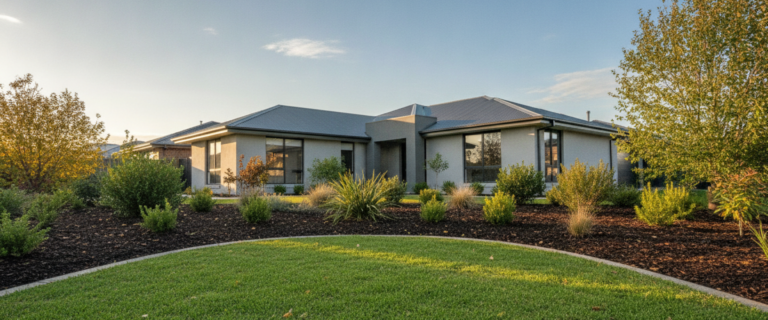
A beautifully renovated garden in Canberra Central, featuring a modern retaining wall, new paving, and lush, well-maintained plantings.

Established homes in Canberra Central often come with gardens that, while mature, may no longer suit contemporary lifestyles or stand up to Canberra’s unique climate. If your outdoor space feels dated, overgrown, or simply doesn’t meet your needs, it might be time to consider a comprehensive garden renovation ideas. Act House & Landscaping Maintenance specialises in landscaping, offering expert Canberra landscaping services to transform these established areas into functional, beautiful extensions of your home.

Key Takeaways

  • Established Canberra Central gardens often need renovation due to ageing hardscaping, overgrown plants, poor drainage, or outdated designs.
  • Renovation approaches range from refreshing hardscaping and overhauling softscaping to adding outdoor living features, or a full garden transformation.
  • Special considerations for Canberra Central include heritage overlays and the ACT Tree Protection Act 2005, which may influence design choices.
  • Many cosmetic garden tasks suit confident DIYers, but structural, drainage, and regulated-tree work should be left to a licensed professional.
  • Arriving at your quote consultation with photos, a priority list, and the right questions ensures you get an accurate, comparable estimate.

Signs Your Established Garden Renovation Ideas

An older garden in suburbs like Braddon, Kingston, or Yarralumla can develop several issues over time. Recognising these signs is the first step towards planning a successful renovation:

  • Ageing Hardscaping: Cracked paving, crumbling retaining walls, or deteriorating pathways not only look unsightly but can also pose safety hazards. Materials from decades past may no longer suit modern aesthetics or functionality.
  • Overgrown Plantings: Mature trees and shrubs can become too large for their space, blocking sunlight, impacting views, or even damaging foundations. Overgrown gardens often feel cluttered and lack definition.
  • Poor Drainage: Older irrigation systems might be inefficient, leading to waterlogging in some areas and dry patches in others. Clay soils common in Canberra Central can exacerbate drainage issues, especially after heavy rains.
  • Dated Layout: Garden designs from the 1960s or ’70s often don’t align with today’s outdoor living trends, lacking dedicated entertainment areas, functional zones, or modern plant palettes.

Addressing these issues can dramatically improve your property’s kerb appeal and your family’s enjoyment of the outdoor space. Act House & Landscaping Maintenance provides residential landscaping in Canberra tailored to the specific challenges and opportunities of established homes. For more garden renovation ideas, consider consulting with our team.

How Garden Renovation Differs from Landscaping a New Build

Landscaping a new-build property typically starts with a bare or minimally prepared block, giving you a blank canvas. Garden renovation for an established home is a different discipline entirely. You’re working around mature root systems, existing levels and retaining structures, underground services that may not be accurately mapped, and decades of soil compaction or amendment. Renovation also means making decisions about what to keep — a healthy established tree provides shade and character that would take twenty years to replicate from a new planting. These garden renovation ideas focus on working with existing elements.

These constraints make renovation more complex in some ways, but they also offer advantages a bare block can’t: existing privacy screening, mature canopy cover, and established soil biology. The key is knowing which existing elements are assets worth designing around and which are liabilities that need to go.

Hardscaping Ideas for a Modern Refresh

Hardscaping forms the backbone of any garden, providing structure and defining spaces. For established Canberra Central homes, refreshing these elements can create a modern, cohesive look. These garden renovation ideas for hardscaping can revitalise your outdoor area.

Replacing or Repairing Retaining Walls

Many older gardens feature timber or concrete sleeper retaining walls that have reached the end of their lifespan. Replacing these with durable, aesthetically pleasing options can transform the garden’s topography and enhance safety.

  • Natural Stone: Offers a classic, timeless look that blends well with Canberra’s natural environment and heritage properties.
  • Segmental Block: Provides a versatile and cost-effective solution, available in various colours and textures to match your home’s style.
  • Gabion Walls: A modern, permeable option using wire cages filled with rocks, ideal for contemporary designs and excellent for drainage.

Understanding retaining wall costs in Canberra is essential for budgeting. Our team can advise on the best materials and designs for your specific needs.

Refreshing Paving and Pathways

Outdated or damaged paving can detract from your garden’s appeal. Consider replacing old concrete slabs with:

  • Natural Stone Pavers: Bluestone, granite, or sandstone offer durability and elegance.
  • Concrete Pavers: Available in a vast array of shapes, sizes, and colours, offering flexibility in design.
  • Exposed Aggregate: A low-maintenance, durable option that provides a textured, contemporary finish for driveways and large paved areas.

New edging and borders around garden beds or pathways can also create crisp lines and a more manicured appearance.

Softscaping Overhauls: Plants, Lawns, and Garden Beds

Softscaping brings life and colour to your garden. A renovation is an ideal time to rethink your planting strategy and revitalise your lawn. These garden renovation ideas focus on the living elements of your outdoor space.

Rethinking Planting Beds with Climate-Suited Species

Canberra’s climate, with its hot, dry summers and frosty winters, demands resilient plant choices. Replacing struggling or inappropriate plants with species suited to local conditions will reduce water consumption and maintenance efforts.

  • Drought-Tolerant Plants: Many native Australian plants, like Grevilleas, Callistemons, and various Eucalypts, thrive in Canberra’s conditions. Mediterranean species such as lavender, rosemary, and olives also perform well.
  • Frost-Resistant Options: Select plants known to withstand Canberra’s cold snaps, ensuring year-round appeal.
  • Layered Planting: Create visual interest with varying heights, textures, and colours. Consider a mix of evergreens for structure and deciduous plants for seasonal change.

Lawn Renovation or Replacement

A tired, patchy lawn can be a major eyesore. Depending on its condition, you might opt for:

  • Lawn Renovation: Aeration, top-dressing, and overseeding can breathe new life into an existing lawn.
  • New Turf Installation: For severely damaged lawns, installing new turf offers an instant transformation. Varieties like Sir Walter Buffalo or Kikuyu are popular in Canberra for their hardiness.
  • Alternative Groundcovers: In areas with heavy shade or high traffic, consider replacing grass with durable groundcovers, decorative gravel, or permeable paving.

A well-planned garden renovation doesn’t just improve aesthetics; it enhances functionality, sustainability, and ultimately, your lifestyle. It’s about creating an outdoor space that truly serves you.

Outdoor Living Additions for Enhanced Enjoyment

Transforming your established garden into a true outdoor living area can significantly boost your home’s value and your quality of life. Consider adding structures and features that encourage relaxation and entertainment. These garden renovation ideas focus on creating inviting spaces.

Pergolas and Decking

Adding a pergola installation in Canberra provides shade and a defined outdoor room, perfect for dining or lounging. Pair it with a new timber or composite deck to create a seamless transition from indoors to out.

Seating Areas and Fire Pits

Built-in seating or strategically placed benches can create inviting nooks. A fire pit offers a focal point for evening gatherings, extending the usability of your garden into cooler months.

Outdoor Lighting

Thoughtful lighting enhances safety, highlights architectural features, and creates ambiance. Options include path lights, spotlights for trees, and decorative string lights for entertainment areas.

Comparing Renovation Approaches: Which Suits Your Property?

Not every established garden needs a full transformation. Understanding the main renovation approaches helps you match scope to your property’s actual condition and your budget.

  • Hardscaping Refresh: Best when the garden’s layout and plantings are fundamentally sound but structural elements — retaining walls, paving, edging, steps — are failing or dated. This is often the priority for properties where safety is a concern (leaning walls, trip-hazard paths). Typical timeframe: two to four weeks for a standard-sized Canberra Central garden.
  • Softscaping Overhaul: The right choice when the garden’s bones are solid but plantings have outgrown their positions, species are wrong for the climate, or beds have become bare and weedy. This approach focuses on clearing, soil improvement, replanting, and lawn renovation. Typical timeframe: one to three weeks, plus an establishment period of a few months for new plantings to fill in.
  • Outdoor Living Additions: Suited to gardens that look fine but lack functional spaces — no covered dining area, no evening usability, no defined zones for children or entertaining. You’re adding structures (pergola, deck, fire pit, lighting) rather than fixing existing problems. Typical timeframe: three to six weeks depending on structural complexity and any DA requirements.
  • Full Garden Transformation: Necessary when multiple issues overlap — crumbling hardscaping, overgrown plantings, poor drainage, and an outdated layout that no single-focus approach can fix. This typically involves a phased plan starting with demolition and earthworks, followed by structural elements, then softscaping and finishing details. Typical timeframe: six to twelve weeks for a comprehensive project.

Many renovations combine elements of two or more approaches. For example, replacing a retaining wall often makes sense alongside replanting the beds it supports. Act House & Landscaping Maintenance can assess your property and recommend the most cost-effective combination for your situation. These garden renovation ideas can be tailored to your needs.

Drainage and Irrigation Solutions for Older Gardens

Many established gardens in Canberra Central suffer from outdated or inadequate drainage and irrigation. Addressing these issues is crucial for plant health and property protection. These garden renovation ideas improve functionality.

  • Improved Drainage Systems: Clay soils can lead to waterlogging. Installing French drains, trench drains, or improving surface grading can prevent water accumulation and protect foundations. Act House & Landscaping Maintenance provides drainage excavation services to solve these common problems.
  • Efficient Irrigation: Replace old sprinkler systems with modern, water-efficient drip irrigation for garden beds or smart controllers that adjust watering based on weather conditions. This conserves water and ensures plants receive optimal hydration.

Heritage and Tree Protection in Canberra Central

Renovating a garden in Canberra Central, particularly in heritage-listed areas like Forrest or Red Hill, requires careful consideration of local regulations.

  • Heritage Overlays: Properties within a heritage precinct may face restrictions on altering the garden’s established character, including limitations on acceptable hardscaping materials, fencing styles, and even plant species that must be consistent with the precinct’s era. Before planning any visible changes, check whether your block carries a heritage overlay by searching the ACT Heritage Register or contacting the ACT Government’s Environment, Planning and Sustainable Development Directorate (EPSDD). Applying for approval early avoids costly redesigns later. Specific heritage landscaping rules in Canberra Central can significantly impact your project and your garden renovation ideas.
  • Tree Protection Act 2005: Under this Act, a “regulated tree” on leased land is generally any living tree with a trunk circumference of 40 cm or more measured at one metre above ground level, or a canopy spread of four metres or more at its widest point. Any work that could damage or remove a regulated tree — including excavation within the tree protection zone, significant root disturbance, or major pruning — requires approval from the Conservator of Flora and Fauna. Penalties for unauthorised work can be substantial. Before any renovation begins, measure the trees on your property against these thresholds and apply for approval if needed.

Considering a Garden Renovation for Your Canberra Central Home?

Speak with our local landscaping experts about your vision and discover how we can transform your outdoor space.

Call 0406 700 400

Cost Factors and Seasonal Timing for Garden Renovation

Understanding the factors influencing cost and the best time to undertake a renovation can help you plan effectively. This section provides practical garden renovation ideas for budgeting and scheduling.

What Drives the Price of a Garden Renovation?

While fixed figures aren’t possible without a site assessment, several elements influence the overall cost:

  • Scope of Work: A full overhaul will naturally cost more than minor refreshments.
  • Material Choices: High-end natural stone will be more expensive than standard concrete pavers.
  • Access to Site: Difficult access for machinery or materials can increase labour costs. Many established Canberra Central properties have narrow side gates or established gardens between the street and the work area, which may require hand-carting materials.
  • Earthmoving and Drainage: Significant changes to existing levels or extensive drainage solutions add to the budget.
  • Plant Selection: Mature, established plants are more costly than smaller, younger specimens.
  • Demolition and Removal: Removing old hardscaping, concrete, or large plant material generates waste that must be disposed of, and this can be a meaningful line item in a renovation that wouldn’t exist on a new build.

Act House & Landscaping Maintenance provides transparent discussions about cost factors, helping you make informed decisions for your custom landscaping design quote.

When to Start Different Types of Garden Renovation in Canberra

Timing can impact the success and efficiency of your project. For detailed seasonal guidance, consult our guide on the best time of year for landscaping.

  • Hardscaping: Can generally be done year-round, though extreme winter cold or summer heat might make working conditions challenging.
  • Major Earthmoving: Best undertaken in drier periods to avoid muddy conditions and soil compaction.
  • Planting: Autumn and spring are ideal, allowing plants to establish before the stress of summer heat or winter frosts.
  • Lawn Installation: Spring and early autumn offer optimal temperatures for turf to root successfully.

Realistic Timeframes to Plan Around

Timelines vary with scope, but as a planning guide for a standard Canberra Central property:

  • Minor refresh (new garden beds, lawn renovation, edging): one to two weeks of on-site work.
  • Mid-range renovation (retaining wall replacement, new paving, replanting): three to five weeks.
  • Comprehensive transformation (earthworks, multiple structures, full replanting, lighting and irrigation): six to twelve weeks, often staged to allow concrete to cure and plants to establish between phases.

Allow additional lead time for heritage or tree protection approvals — these can take several weeks to process. Starting the approval process before engaging your landscaper avoids delays once work is scheduled. These timeframes are key for any successful garden renovation ideas.

Professional Landscaper or DIY? Evaluating Your Options

Not every part of a garden renovation requires professional help, but some elements absolutely do. Understanding where the line falls helps you allocate your budget wisely. This section offers practical garden renovation ideas for managing your project.

Tasks Suited to Confident DIYers

  • Garden bed preparation: Clearing weeds, adding compost and mulch, and planting smaller shrubs, groundcovers, and perennials.
  • Lawn care: Aerating, top-dressing, overseeding, or laying turf on a small, level area.
  • Simple garden edging: Installing steel or plastic edging to define beds and paths.
  • Painting or staining: Refreshing existing timber fences, pergolas, or raised beds.
  • Outdoor lighting: Installing low-voltage solar or 12V LED path lights that don’t require mains wiring.

Tasks That Need a Professional

  • Retaining walls over 600 mm high: These typically require engineering certification in the ACT and must be built to structural standards.
  • Drainage and earthworks: Incorrect grading can direct water towards your home’s foundations. French drains and stormwater connections need proper falls and pipe sizing.
  • Work near regulated trees: Any excavation, root pruning, or construction within the tree protection zone of a regulated tree requires professional arborist assessment and potentially government approval.
  • Pergolas and decking: Structural builds may need development approval and must comply with the Building Code of Australia.
  • Mains electrical work: 240V garden lighting, water feature pumps, and powered irrigation controllers must be installed by a licensed electrician.
  • Heritage-listed properties: Navigating the approval process and ensuring design compliance is far easier with a landscaper experienced in heritage precincts.

A practical middle ground is to handle the cosmetic softscaping yourself and engage a professional like Act House & Landscaping Maintenance for the structural, drainage, and compliance-sensitive components. This hybrid approach can reduce costs while ensuring the critical elements are done safely and to standard.

What to Prepare and Ask When Requesting a Garden Renovation Quote

A well-prepared homeowner gets a more accurate, comparable quote — and avoids surprises once work begins. This section provides essential garden renovation ideas for effective communication with landscapers.

Information to Have Ready

  • Photos of the current garden from multiple angles, including close-ups of problem areas (cracked walls, drainage issues, overgrown sections).
  • A rough site sketch or survey showing the property boundaries, house footprint, existing structures, and any trees you want to keep or remove.
  • Your priority list: Rank what matters most — fixing a safety issue with a retaining wall might outrank adding a pergola, which helps the landscaper suggest phasing if budget is limited.
  • Heritage or tree protection status: Let the landscaper know upfront if your property is within a heritage overlay or has regulated trees, as this affects design options and timelines.
  • A realistic budget range: Even a broad range (e.g. $15,000–$25,000) helps the landscaper tailor a proposal that delivers maximum value within your means.
  • Your preferred timeline: Whether you need the project finished before a specific event or are happy to stage it over several months.

Questions to Ask the Landscaper

  • Are you licensed and insured for structural landscaping work in the ACT?
  • Can you show me examples of similar renovations you’ve completed on established Canberra properties?
  • What exactly is included in this quote — and what’s excluded (e.g. soil testing, permit fees, plant replacement guarantees)?
  • How will you handle unexpected discoveries, such as buried concrete, old irrigation pipes, or unmapped services?
  • What is the projected timeline, and how will weather or approval delays be managed?
  • Do you offer any aftercare or maintenance support once the project is complete?
  • Will the same team be on site throughout, or will subcontractors be involved?

Getting quotes from two or three landscapers allows you to compare not just price but scope, communication style, and approach. Act House & Landscaping Maintenance offers a transparent, no-obligation custom landscaping design quote that covers all of the above.

Frequently Asked Questions

What’s the difference between garden renovation and landscaping for a new build?

Garden renovation for an established home involves working with existing structures, mature plants, and often addressing inherited problems like poor drainage or outdated designs. You need to decide what to keep and what to remove, work around established root systems, and potentially navigate heritage or tree protection approvals. Landscaping for a new build typically starts with a bare block, allowing for a fresh design from scratch without these existing constraints — but also without the advantage of mature trees and established screening that renovation properties already have.

How do I know if my retaining walls need to be replaced or just repaired?

Minor cracks or surface damage can often be repaired. However, if you notice significant leaning, bulging, large structural cracks, or if the wall is made of deteriorating materials like old timber, replacement is usually the safer and more durable option. A professional assessment from Act House & Landscaping Maintenance can determine the best course of action. This is one of the key garden renovation ideas to consider.

Are there specific plants that thrive in Canberra Central’s climate?

Yes, Canberra’s climate (hot, dry summers and cold, frosty winters) favours drought-tolerant native plants like Grevilleas, Callistemons, and various Eucalypts. Mediterranean species such as lavender, rosemary, and olives also do very well. Selecting frost-resistant varieties is key for year-round success.

What are the heritage rules I need to consider for my garden renovation in Canberra Central?

If your property is within a heritage overlay, there may be restrictions on altering the garden’s character, materials used, and even plant selections. It’s essential to contact the ACT Government’s Environment, Planning and Sustainable Development Directorate or consult with a specialist in heritage landscaping to understand the specific requirements before starting any work. You should also check the Tree Protection Act 2005 — any living tree with a trunk circumference of 40 cm or more at one metre above ground, or a canopy spread of four metres or more, is likely a regulated tree requiring approval before it can be pruned, removed, or disturbed by nearby excavation. These are crucial considerations for any garden renovation ideas.

How long does a typical garden renovation take in Canberra Central?

A minor refresh — new garden beds, lawn renovation, and edging — typically takes one to two weeks on site. A mid-range renovation involving retaining wall replacement, new paving, and replanting runs three to five weeks. A comprehensive transformation with earthworks, multiple structures, full replanting, and new irrigation and lighting can take six to twelve weeks, often staged across phases. Allow additional lead time if heritage or tree protection approvals are needed, as these can add several weeks before on-site work even begins. A detailed project plan and timeline will be provided by Act House & Landscaping Maintenance during the consultation phase.

Which parts of a garden renovation can I do myself?

Cosmetic softscaping tasks are generally well suited to DIY — clearing and mulching garden beds, planting smaller shrubs and perennials, laying turf on a small level area, installing solar path lights, and refreshing timber with paint or stain. However, structural work (retaining walls over 600 mm, pergolas, decking), drainage and earthworks, mains electrical connections, and any work near regulated trees should be handled by a licensed professional to ensure safety, compliance, and a lasting result. Consider these garden renovation ideas when planning your DIY tasks.

Conclusion

A garden renovation for an established Canberra Central home offers a unique opportunity to blend the charm of maturity with modern functionality and style. From revitalising ageing hardscaping and softscaping to integrating new outdoor living areas, the possibilities are vast. Navigating local regulations, especially concerning heritage and tree protection, is crucial for a smooth project. These garden renovation ideas can guide your transformation.

Act House & Landscaping Maintenance brings local expertise and a comprehensive range of services to ensure your garden renovation is a success. Our team understands the specific needs of Canberra Central properties and is dedicated to creating outdoor spaces that are both beautiful and enduring.

If you’re ready to transform your established garden into a vibrant, functional oasis, we invite you to discuss your vision with our experts.

Related services

Visit Act House & Landscaping Maintenance Today

Ready to revitalise your established Canberra Central garden? Get in touch with our team for tailored advice and a no-obligation quote.

Get in Touch

Service we Offer

Our Points of Difference

We stand out from other domestic and commercial house and landscaping experts in many things as mentioned in below:

  • Assurance to cater 100% customer satisfaction results.
  • The door to door service is provided and the staff is trained, police verified and fully insured having extensive product knowledge and insight.
  • The equipment's and products that are used are up to date and latest.
  • Competent prices and the services provided as per the industry standards.
  • The offering of 24/7 and 365 days a year personalized services.

Client Says

Testimonial from our Happy Clients

About our Company

Forrest, nestled in the prestigious Canberra Central district, is renowned for its stately homes and mature, tree-lined streets, many of which fall under heritage protection. Navigating the heritage landscaping rules in this area requires a deep understanding of local council regulations to preserve the suburb’s unique character. Whether you’re planning a complete garden overhaul or subtle enhancements, understanding these guidelines is crucial to ensure your outdoor space not only thrives but also respects its historical context. Act House & Landscaping Maintenance specialises in ACT Landscaping Services And Maintenance, including the sensitive requirements of heritage properties, helping homeowners create beautiful, compliant outdoor environments.

Key Takeaways

  • Heritage protection in Forrest covers both buildings and significant landscape elements, requiring specific approvals for changes.
  • Approved plant species often align with those prevalent during the property’s original construction era.
  • Design considerations should focus on preserving the existing character, scale, and materials of the heritage landscape.
  • Engaging a landscaper with expertise in heritage regulations is essential for compliant and successful projects.
  • Understanding the local council’s development application process for heritage areas is a critical first step.

Understanding Heritage Listings in Forrest, Canberra Central

Properties in Forrest are often subject to heritage overlay due to their historical significance and contribution to Canberra’s garden city aesthetic. This protection isn’t just for the buildings; it extends to the landscape elements, including mature trees, original garden layouts, fencing, and even specific plant species. The primary goal of these heritage landscaping rules is to preserve the intrinsic values that define the area. Before undertaking any work, it’s vital to identify if your property is heritage-listed or within a heritage precinct. This information is typically available through the ACT Planning and Land Authority (ACTPLA) or by reviewing your property’s title documents.

The scope of heritage protection can vary significantly from one property to another. Some listings may focus on a single, prominent tree, while others encompass an entire garden design or even the front setback area. Understanding these nuances is the first critical step in planning any outdoor project. Ignoring these regulations can lead to costly delays, rework, and potential fines, making early consultation with experts invaluable.

Navigating Local Council Regulations for Heritage Landscapes

The ACT Planning and Land Authority (ACTPLA) is the primary body overseeing development applications in heritage areas. For any significant changes to a heritage-listed landscape in Canberra Central, a development application (DA) is almost always required. This applies to major works like installing retaining walls, extensive earthmoving, or altering established garden beds. The application process can be complex, involving detailed plans, heritage impact statements, and sometimes public notification.

Smaller interventions, such as pruning or minor planting, may fall under ‘exempt development’ provisions, but it’s always best to confirm with ACTPLA. A key aspect of the regulatory framework is the emphasis on ‘like-for-like’ replacement or using materials and designs that are sympathetic to the original character. This ensures that any new additions integrate seamlessly without detracting from the heritage value. Engaging a landscaper familiar with these specific requirements can streamline the approval process considerably.

Preserving Forrest’s garden city aesthetic means carefully balancing modern living with historical integrity. Every landscape decision, from plant selection to structural changes, must respect the suburb’s unique heritage narrative.

Heritage Landscaping Rules

When planning a heritage landscape in Forrest, plant selection is paramount. The general principle is to choose species that were historically prevalent in Canberra during the property’s construction era or those that align with the established character of the area. This often means leaning towards a palette of robust, classic plants rather than exotic or overly modern species. Here are some key considerations:

  • Native vs. Introduced: While native plants are generally encouraged in Canberra, heritage areas might favour certain introduced species that were common in early 20th-century gardens. Researching the original garden style of your home’s era is beneficial.
  • Mature Trees: Existing mature trees are often protected. Any work near them, including tree removal, pruning, or significant root disturbance, requires specific arboricultural assessment and approval.
  • Scale and Form: New plantings should respect the existing scale and form of the landscape. Avoid overly dominant plants that could overshadow heritage features or disrupt established sightlines.
  • Hardscaping Materials: When installing paving, pathways, or decking, choose materials that are sympathetic to the heritage context. Natural stone, traditional brick, or timber are often preferred over modern composites or highly contemporary finishes.
  • Garden Style: Maintain or restore garden styles that complement the architectural period of your home. Formal layouts, cottage gardens, or structured shrubberies might be appropriate depending on the property.

Ready to enhance your heritage landscape?

Our team has the expertise to navigate Forrest’s unique heritage requirements.

Call 0406 700 400

The Importance of Professional Earthmoving and Drainage in Heritage Areas

Any significant earthmoving in a heritage-listed property or precinct demands careful planning. Changes to ground levels can affect established drainage patterns, tree root systems, and the structural integrity of older buildings. In Forrest, with its mature gardens and often clay-rich soils, proper drainage solutions are critical. Improper drainage can lead to soil erosion, waterlogging, and damage to foundations, all of which are amplified in heritage settings.

Working with an experienced concreter or earthmoving specialist who understands the sensitivities of heritage sites is non-negotiable. They can advise on techniques that minimise disturbance, recommend appropriate materials for subsurface drainage, and ensure that any new hardscaping integrates without compromising historical integrity. This might involve manual excavation in sensitive areas or using lighter machinery to protect established features.

Maintaining Character: Garden Maintenance and Upgrades

Ongoing Home Gardening Services Canberra in Forrest’s heritage areas is about more than just aesthetics; it’s about preserving historical character. This includes specific pruning techniques for mature trees and shrubs, regular weed control to protect delicate heritage plantings, and careful management of lawns, including synthetic turf options that might require specific approvals for installation.

Upgrades, such as replacing old How Much Does a Retaining Wall Cost in Canberra? (2026 Price Guide) or enhancing garden beds, must be approached with sensitivity. If you’re looking at replacing 1970s retaining walls in Kaleen or other established Canberra suburbs, similar principles of material and design sympathy apply. For Forrest, this often means using natural stone, timber, or traditional brick to match existing structures. Careful planning ensures that modern functionality doesn’t come at the expense of historical authenticity.

Why Choose Act House & Landscaping Maintenance for Your Forrest Project

Act House & Landscaping Maintenance brings extensive experience to heritage landscaping rules in Canberra Central, particularly in areas like Forrest. Our team understands the nuances of working with heritage overlays, from initial consultation and design to navigating council approvals and executing sensitive construction. We pride ourselves on delivering projects that not only meet regulatory requirements but also enhance the beauty and value of your property, respecting its unique history.

We offer comprehensive services, including:

  1. Heritage Consultation: Expert advice on compliance, design, and plant selection for heritage-listed properties.
  2. Development Application Support: Assistance with preparing plans and documentation for ACTPLA approvals.
  3. Sensitive Earthmoving & Drainage: Techniques that protect existing heritage features and ensure long-term stability.
  4. Period-Appropriate Design: Creating landscapes that harmonise with your home’s architectural style and historical context.
  5. Quality Construction: Using appropriate materials and skilled craftsmanship for retaining walls, paving, and decking.

For any heritage landscaping project in Forrest, or indeed across the broader Canberra Central district, partnering with a local expert like Act House & Landscaping Maintenance ensures a smooth, compliant, and beautiful outcome. We help you honour the past while creating a vibrant outdoor space for the future.

For further information, see business.gov.au.

Frequently Asked Questions

What does “heritage-listed” mean for my garden in Forrest?

A heritage listing means specific elements of your property, including parts of your garden, are protected due to their historical or cultural significance. Any changes to these protected elements require approval from the ACT Planning and Land Authority (ACTPLA) to ensure their character is maintained.

Do I need approval for minor garden maintenance like pruning or planting a small shrub?

Minor maintenance like general pruning or planting non-significant shrubs may be exempt from requiring a full development application. However, work on protected trees (e.g., significant pruning or removal) or major changes to the garden layout will almost certainly require approval. Always check with ACTPLA or a heritage landscaping expert first.

What kind of plants are typically approved for heritage gardens in Forrest?

Approved plants generally align with species common during the property’s original construction period or those that complement the established character of the area. This often includes traditional ornamental plants, certain native species, and those that respect the scale and form of the existing landscape. Your landscaper can provide a suitable plant palette.

Can I install modern features like a new deck or synthetic turf in a heritage garden?

It’s possible, but these installations will require careful consideration and approval. The design, materials, and placement must be sympathetic to the heritage context. For example, a deck might need to use traditional timber, and synthetic turf may be subject to strict conditions regarding its impact on the historical appearance. Consultation with ACTPLA is essential.

How important is professional help for heritage landscaping projects?

Professional help is highly recommended. Landscapers experienced in heritage regulations can guide you through the complex approval processes, ensure compliant designs, select appropriate materials and plants, and execute work sensitively to preserve your property’s historical value while achieving your desired outdoor aesthetic.

Visit Act House & Landscaping Maintenance Today

Ready to transform your Forrest garden while respecting its unique heritage? Contact us for expert advice and quality landscaping services.

Get in Touch

Service we Offer

Our Points of Difference

We stand out from other domestic and commercial house and landscaping experts in many things as mentioned in below:

  • Assurance to cater 100% customer satisfaction results.
  • The door to door service is provided and the staff is trained, police verified and fully insured having extensive product knowledge and insight.
  • The equipment's and products that are used are up to date and latest.
  • Competent prices and the services provided as per the industry standards.
  • The offering of 24/7 and 365 days a year personalized services.

Client Says

Testimonial from our Happy Clients