
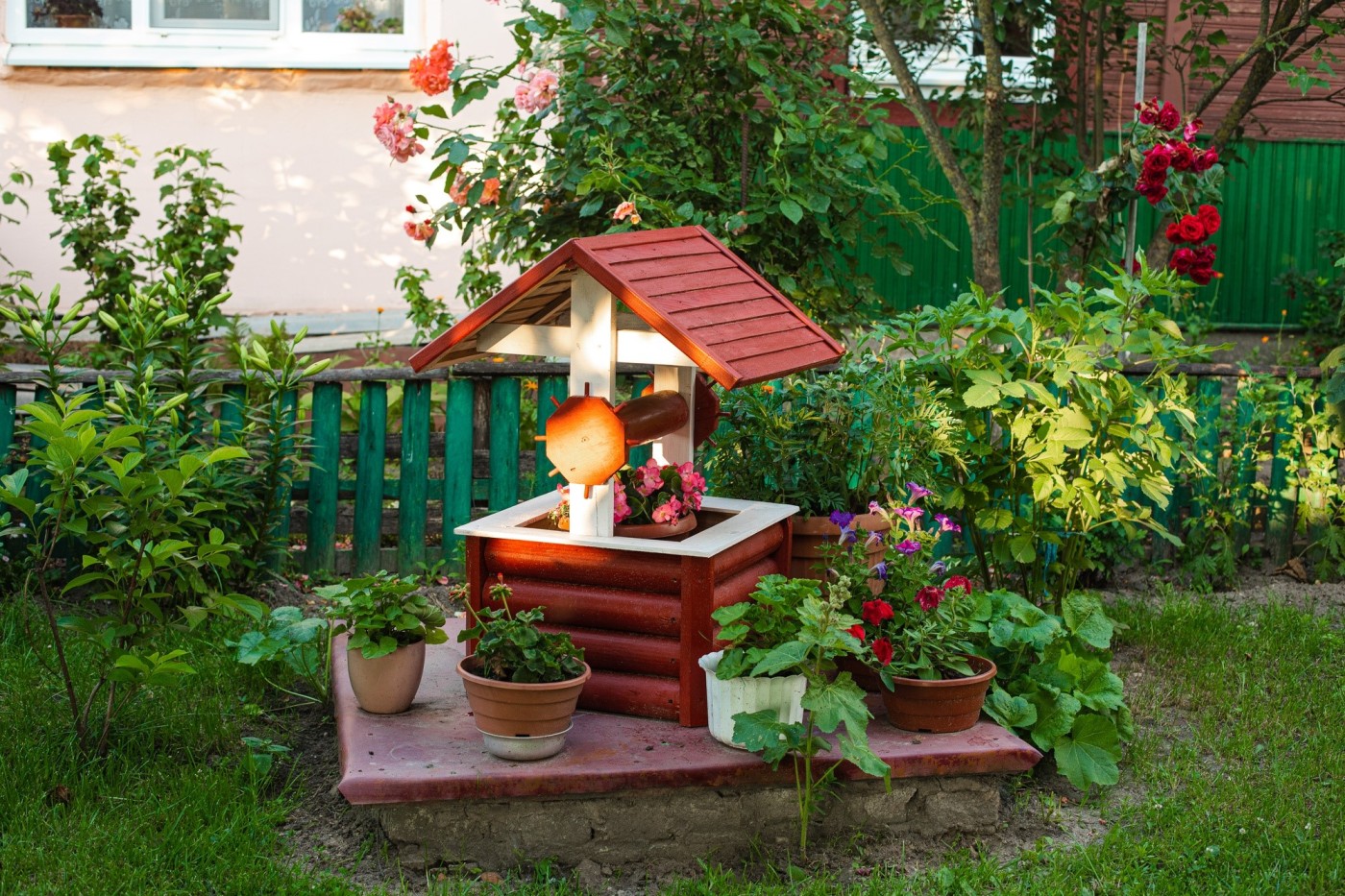
Creating an outdoor space that suits Canberra’s climate, lifestyle, and property sizes requires thoughtful planning rather than trends alone. In recent years, homeowners have shown growing interest in sustainable materials, low maintenance layouts, and functional outdoor zones that can be enjoyed year-round. These are the most practical and future-focused ideas shaping backyard landscaping for Canberra homes in 2026, with solutions tailored to local weather conditions and residential needs. Rather than focusing on decorative upgrades only, these ideas aim to improve usability, durability, and long-term value for Canberra properties.
Canberra’s climate includes hot summers, cold winters, and periodic drought conditions. Landscaping choices must balance visual appeal with water efficiency and resilience.
Key factors to consider include:
By addressing these elements early, homeowners can avoid frequent redesigns and ongoing maintenance challenges.
Backyard landscaping in 2026 focuses on climate-suitable design, functional layouts, and long-term usability for Australian homes. These ideas reflect how outdoor spaces are being planned to suit modern lifestyles and local conditions.
Plant selection continues to prioritise species that thrive in local conditions. Native plants generally require less water, tolerate frost, and adapt well to Canberra’s seasonal changes. This approach supports sustainable gardens while reducing long-term maintenance demands.
Rather than one open area, modern backyards are designed with purpose. Dining spaces, relaxation areas, and practical zones are clearly defined to improve usability. Zoning helps households use their outdoor space more effectively without increasing its size.
Large lawns are becoming less common due to water use and upkeep requirements. Many homeowners now choose smaller lawn areas supported by ground covers, paving, or gravel. This balance maintains usability while lowering ongoing maintenance. For more on managing garden waste, consider our affordable green waste removal Canberra services.
Smart irrigation design is a key feature of new landscaping projects. Systems that deliver water directly to plant roots and adjust based on weather conditions improve efficiency. Rainwater collection and proper drainage further support sustainable water management.
Backyards are increasingly designed for use beyond summer, guided by residential landscaping approaches that consider year-round comfort. Covered patios, pergolas, and sheltered seating areas improve usability during colder months, while thoughtful orientation, wind protection, and heating options help extend outdoor living throughout the year.
Stone paving, concrete finishes, and permeable surfaces are popular for their durability. These materials cope well with temperature changes and reduce cracking or movement over time. Hardscaping also assists with drainage and defines functional areas within the yard. For advice on specific hardscaping elements, see our guide on retaining wall costs in Canberra.
Gardens that support birds, pollinators, and beneficial insects are becoming more common. Layered planting and water sources encourage biodiversity while maintaining a natural appearance. These gardens add ecological value without increasing complexity.
With higher housing density, privacy is a growing consideration. Strategic planting, screens, and vertical elements help create secluded outdoor spaces. These features are now planned as part of the overall landscape design rather than added later.
Uneven blocks require careful planning to remain safe and functional. Retaining walls, tiered garden beds, and split-level designs help manage slopes effectively. Proper slope management also reduces erosion and drainage issues.
Lighting in 2026 focuses on safety and usability rather than brightness. Pathway lighting, feature lighting for trees, and task lighting near seating areas improve visibility after dark. Energy-efficient systems are commonly used to minimise running costs.
Planning a backyard project in Canberra involves prioritising climate-suitable design, understanding local conditions, and staging work to achieve practical, long-lasting outdoor spaces.
Not all landscaping elements need to be completed at once. Many homeowners choose to stage projects, addressing drainage, access, and structure before aesthetic features. For comprehensive planning, consider a custom landscaping design and quote in Canberra.
Some landscaping work may require approvals, particularly retaining walls or drainage changes. Early planning helps avoid delays and additional costs.
Projects related to backyard landscaping in Canberra benefit from experience with local soil, climate, and council guidelines. This helps ensure designs are practical and long-lasting. Professional landscapers in Canberra can provide invaluable local expertise.
ACT House & Landscaping Maintenance works with residential properties across the ACT, supporting planning, construction, and ongoing landscape care suited to local conditions.
A well-planned backyard improves everyday living while also contributing to property value. Landscapes that suit local conditions generally require fewer repairs, use less water, and age more gracefully.
We use cookies to understand how this site is used and to improve it. Privacy policy