Commercial properties in Canberra operate in a competitive environment where appearance, functionality and sustainability directly influence value. Landscaping is no longer just an aesthetic addition. It plays a measurable role in tenant satisfaction, environmental performance and long term asset growth. Thoughtfully designed outdoor spaces can improve usability, enhance first impressions and reduce ongoing maintenance costs.
This guide explains how professional commercial landscaping contributes to higher property value, what elements matter most for Canberra conditions and how businesses can plan landscaping improvements that deliver practical and financial benefits over time.
Why Landscaping Matters for Commercial Properties
Landscaping affects how a commercial property is perceived, used and maintained. Whether it is an office complex, retail centre, healthcare facility or industrial site, outdoor environments influence daily experiences for tenants, staff and visitors.
Well planned landscaping provides:
- Improved street appeal and visual consistency
- Better pedestrian flow and site accessibility
- Reduced heat and glare in open areas
- Long term savings through efficient plant selection
In Canberra, where seasonal changes are pronounced, landscaping must balance aesthetics with durability. Property owners who invest in the right solutions often see stronger tenant retention and improved asset performance.
Understanding Canberra’s Commercial Landscaping Environment
Canberra’s climate includes cold winters, warm summers and variable rainfall. These conditions require a practical approach to landscape planning.
Key environmental factors include:
- Frost tolerant plant requirements
- Water efficient designs to manage dry periods
- Soil preparation suited to clay heavy areas
- Shade planning for sun exposed properties
Commercial landscaping Canberra solutions must account for these factors to remain functional year round. Poor plant selection or incorrect layout can increase maintenance costs and reduce visual appeal within a short time frame.
Strategic Landscaping and Property Value
Landscaping adds value when it supports the function of the site, not just its appearance. Strategic planning considers how people move through the space, how outdoor areas are used and how maintenance is managed.
Functional Design Over Decoration
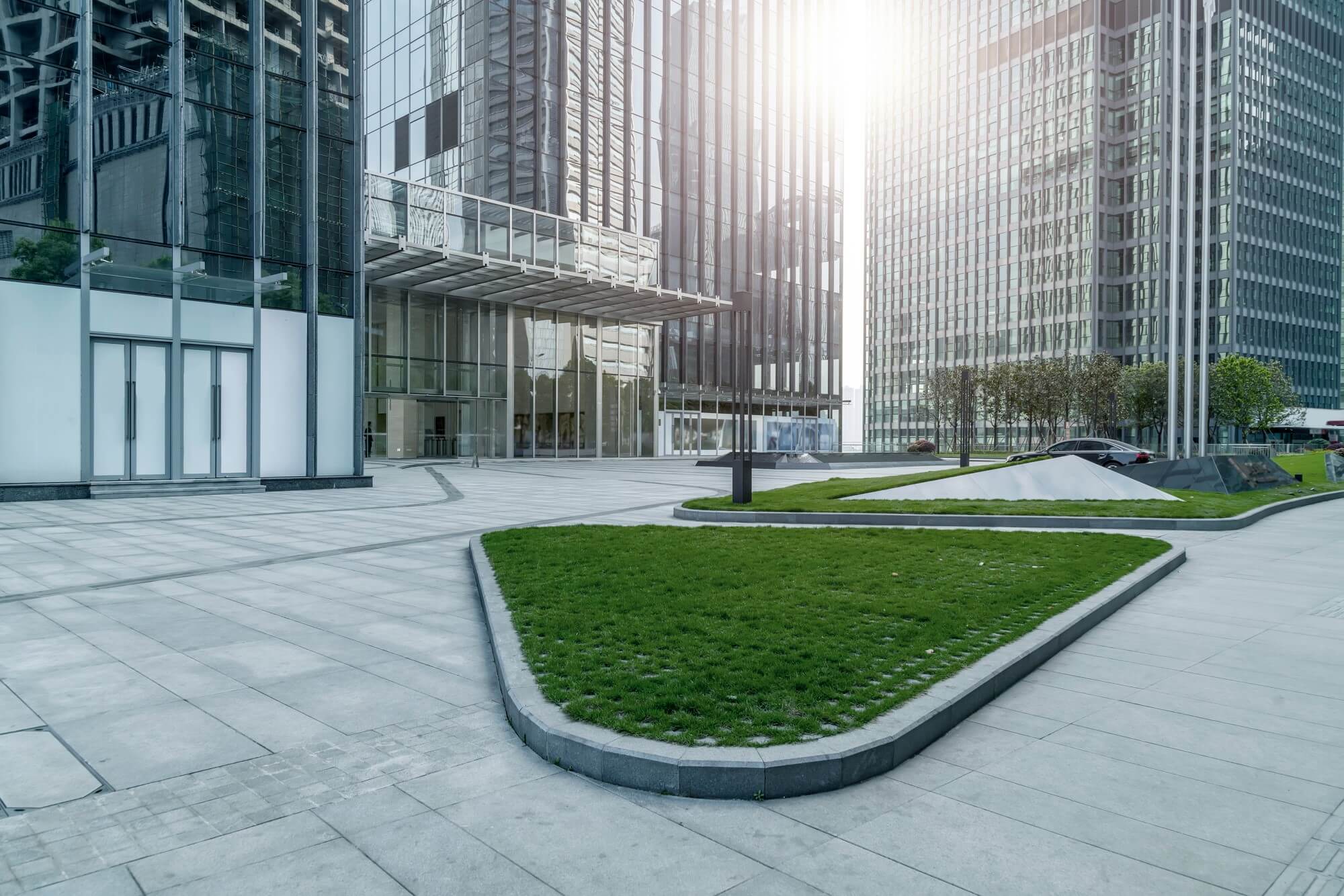
A landscaped commercial site should guide foot traffic, define entry points and support safety. Clear pathways, structured planting zones and appropriate lighting all contribute to a property that feels organised and professional.
Properties that integrate landscaping into their overall site planning are often perceived as better managed, which influences leasing decisions and long term valuation.
Outdoor Spaces That Support Tenants
Outdoor areas such as seating zones, shaded walkways or green buffers improve usability. For office and mixed use developments, these spaces can support employee wellbeing and informal meetings.
Landscaping that enhances daily use can increase the perceived quality of the property without requiring major structural upgrades.
The Role of Sustainable Landscaping Practices
Sustainability has become a core consideration for commercial properties. Landscaping plays a direct role in environmental performance and ongoing operational costs.
Water Sensitive Landscape Design
Water efficient irrigation systems and drought tolerant planting reduce reliance on manual watering. These approaches are particularly important for large commercial sites with extensive green areas.
Well planned water sensitive landscapes help control runoff, improve soil health and support compliance with local environmental expectations.
Native and Climate Appropriate Plant Selection
Using native or climate adapted plants supports biodiversity and reduces maintenance needs. These species are better suited to Canberra conditions and typically require less intervention once established. Over time, this contributes to lower replacement costs and a more stable landscape structure.
Hardscaping Elements That Add Long Term Value
Hardscaping refers to non plant elements such as paving, retaining walls and structural features. These components play a major role in durability and usability.
Pathways and Access Areas
Clear, well constructed pathways improve safety and accessibility. In commercial environments, this is essential for staff movement, customer access and compliance requirements.
Quality materials and proper installation ensure pathways remain functional through seasonal changes.
Retaining Walls and Structural Features
Retaining walls manage slopes and prevent erosion, particularly on uneven sites. When designed correctly, they also define spaces and support planting zones.
These features contribute to a landscape that ages well and maintains its structure over time.
Landscaping Maintenance and Asset Protection
Ongoing maintenance directly affects how landscaping contributes to property value. Poorly maintained landscapes can quickly undermine initial investment.
Planned Maintenance Schedules
Regular pruning, weed management and irrigation checks keep landscapes healthy and visually consistent. Maintenance planning should align with plant growth cycles and seasonal conditions. Commercial properties benefit from structured maintenance programs rather than reactive fixes.
Reducing Long Term Costs
Landscapes designed with maintenance in mind often require fewer resources. Selecting slow growing plants, durable surfaces and efficient irrigation reduces ongoing expenses.
This approach protects the landscape investment and supports stable property valuation.
First Impressions and Commercial Appeal
First impressions influence how a property is perceived within seconds. Landscaping frames entrances, signage and building facades.
A cohesive outdoor design signals professionalism and care. For commercial tenants, this can reflect positively on their own brand image.
Properties with consistent landscaping are often seen as lower risk investments because they demonstrate long term planning and attention to detail.
Integrating Landscaping With Building Design
The most effective commercial landscaping works in harmony with the building. Planting layouts, materials and colours should complement architectural elements rather than compete with them.
Integrated design supports:
- Clear sightlines to entrances
- Balanced use of open and shaded areas
- Visual continuity across the site
When landscaping is considered early in property planning, it becomes a functional asset rather than an afterthought.
Choosing the Right Landscaping Expertise
Delivering long term value requires experience, local knowledge and a structured approach. Working with professionals who understand Canberra conditions is essential.
A provider such as ACT HOUSE & LANDSCAPING MAINTENANCE brings local insight into plant selection, site planning and maintenance considerations. Their understanding of commercial requirements supports landscapes that perform consistently over time.
For property owners exploring professional landscaping options, reviewing established services like commercial landscaping services in Canberra can help clarify what structured solutions involve.
Planning a Commercial Landscaping Upgrade
Before starting a landscaping project, property owners should assess current site conditions and long term goals.
Key Questions to Consider
- How is the outdoor space currently used
- Are there drainage or access issues
- What level of maintenance is sustainable
- How should the landscape support tenant needs
Clear planning ensures landscaping investments align with property objectives. Exploring general landscaping services can provide insight into design options and maintenance considerations without committing to unnecessary features.
Internal Linking and Long-Term Property Strategy
Landscaping should be viewed as part of a broader property management strategy. When integrated with building upgrades and site improvements, it supports consistent asset growth.
Information on professional services available through ACT House Landscaping can help property owners understand how landscaping fits within ongoing property planning.
Conclusion
Commercial landscaping is a practical investment that influences how properties function, how they are perceived and how they perform financially. In Canberra, climate appropriate design, sustainable practices and structured maintenance are key to achieving long term value.
By focusing on usability, durability and environmental performance, property owners can enhance their assets without relying on superficial improvements. Well planned landscaping supports tenant satisfaction, reduces operational costs and strengthens overall property value. For tailored advice or to discuss site specific landscaping requirements, property owners can explore options or make an enquiry through contact ACT House Landscaping.