Outdoor spaces are becoming an essential extension of the modern home. In Canberra, where seasons vary sharply and lifestyles increasingly blend indoor and outdoor living, landscaping trends are shifting towards practicality, sustainability and long-term usability. As 2026 approaches, homeowners are rethinking how gardens, yards and outdoor areas support daily life rather than serving purely decorative purposes.
This guide explores the key outdoor landscaping trends shaping Canberra homes in 2026. Each trend reflects changing environmental priorities, evolving design preferences and the need for outdoor spaces that perform well throughout the year.
Canberra’s climate plays a defining role in how outdoor spaces are planned and maintained. Cold winters, hot summers and inconsistent rainfall require landscaping decisions that balance aesthetics with resilience.
Following emerging trends helps homeowners:
Understanding these shifts allows homeowners to make informed landscaping choices rather than following short-lived design styles.
One of the most noticeable trends for 2026 is climate responsive landscaping. Instead of forcing non-suitable designs, homeowners are embracing layouts that work with Canberra’s natural conditions.
Plant selection is moving towards species that can withstand frost without damage and tolerate summer heat. This reduces seasonal plant loss and ensures consistent garden structure throughout the year.
Home gardens are increasingly designed around long-lasting plants that maintain form even during extreme weather.
Landscapes are being planned with year-round interest in mind. Evergreens, textured foliage and structured garden beds ensure outdoor spaces remain visually balanced during winter, not just spring and summer.
Busy lifestyles are influencing how outdoor areas are designed. In 2026, low maintenance landscaping is a priority rather than an afterthought.
Complex garden designs are giving way to clean, organised layouts with defined zones. Fewer plant varieties and structured spacing make gardens easier to manage without compromising appearance.
This approach supports homeowners who want functional outdoor spaces without ongoing intensive upkeep.
Hardwearing materials such as concrete pavers, stone pathways and reinforced edging are replacing delicate finishes. These materials withstand temperature changes and reduce repair requirements over time.
Professionally planned landscaping solutions often integrate these materials to create long-lasting outdoor areas. Many homeowners begin by reviewing available landscaping services to understand how durability can be built into design.
Water efficiency continues to shape landscaping decisions across Canberra. In 2026, water conscious design is becoming standard rather than optional.
Automated irrigation systems that respond to soil moisture and weather conditions are replacing manual watering. These systems help maintain healthy gardens while reducing unnecessary water use.
Outdoor areas are being divided into zones based on water needs. High-use areas receive targeted irrigation, while low-use spaces rely on natural rainfall and hardy planting.
This zoning approach supports sustainability without sacrificing outdoor usability.
Outdoor areas are increasingly designed for everyday use rather than occasional entertaining. This trend reflects changing lifestyles and the desire for adaptable spaces.
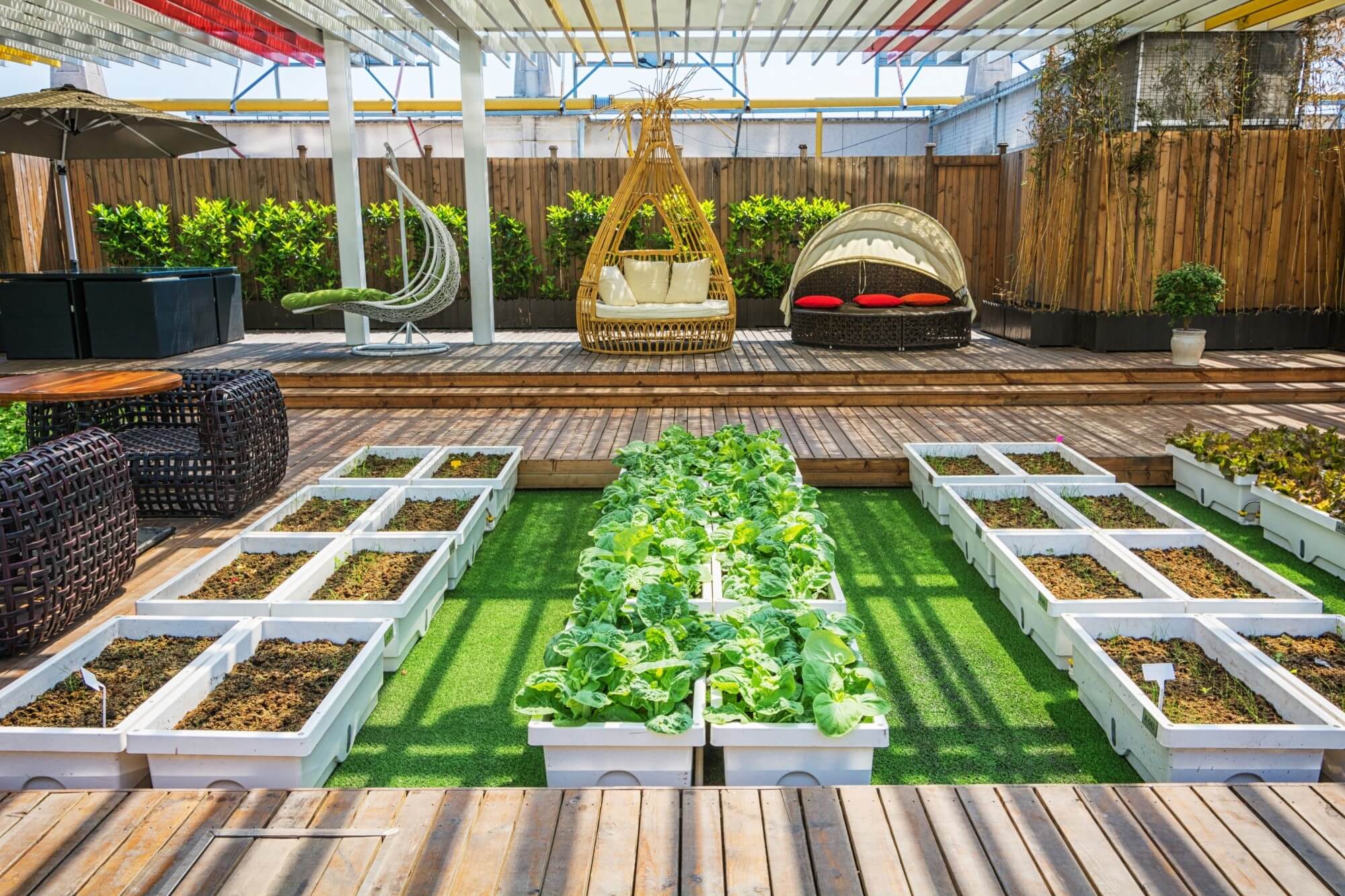
Rather than a single lawn or pergola, homeowners are creating multiple outdoor zones. These may include seating areas, shaded workspaces or quiet garden corners.
Designing flexible outdoor rooms allows spaces to adapt to different activities and seasons.
Landscaping layouts are being aligned with interior living areas. Pathways, planting and outdoor structures are positioned to extend sightlines and improve flow between indoor and outdoor spaces.
This integration enhances usability without requiring major structural changes.
Plant selection trends in 2026 favour species suited to Canberra’s environment. Native and locally adapted plants offer practical advantages beyond aesthetics.
Native plants provide habitat for birds and beneficial insects. This contributes to healthier garden ecosystems and reduces reliance on chemical treatments.
Plants adapted to local conditions generally require less watering, pruning and replacement. Over time, this results in lower maintenance costs and a more stable landscape.
Homeowners seeking practical guidance often explore information from experienced providers such as ACT HOUSE & LANDSCAPING MAINTENANCE, whose work reflects an understanding of local planting requirements.
Hardscaping is no longer just functional. In 2026, it plays a central role in defining outdoor spaces.
Clear pathways improve accessibility and guide movement through the garden. Well-planned paths also protect planting areas from foot traffic damage.
Retaining walls are being used to manage slopes and create usable levels within outdoor spaces. These features add structure while supporting drainage and soil stability.
Hardscaping elements help outdoor areas remain functional regardless of terrain.
Material choice is increasingly influenced by environmental impact. Homeowners are prioritising sustainability alongside durability.
Using recycled materials or locally sourced stone reduces transport emissions and supports regional suppliers. These materials also integrate naturally with Canberra landscapes.
Rather than following fast-changing trends, homeowners are selecting materials based on lifespan and performance. This approach supports long-term value and reduces future replacement needs.
As residential areas become denser, privacy is becoming a key landscaping consideration.
Hedging, layered planting and vertical gardens are being used to create visual separation without solid fencing. These solutions feel softer and integrate better with garden design.
Thoughtful planting can also help reduce noise from neighbouring properties or nearby roads. Dense foliage absorbs sound and improves outdoor comfort.
Outdoor upgrades are increasingly planned alongside home improvements. Landscaping is no longer treated as a final step but as part of a cohesive renovation strategy.
Homeowners undertaking property upgrades often coordinate landscaping with broader projects such as extensions or layout changes. In these cases, understanding how outdoor spaces align with house renovation services ensures consistency between indoor and outdoor design.
Interestingly, residential landscaping is borrowing ideas from commercial environments. Concepts such as structured layouts, durable materials and efficient maintenance are crossing over into home design.
Insights from professional commercial landscaping Canberra projects influence how homeowners think about longevity, accessibility and practical use of space.These lessons support outdoor areas that remain functional and visually balanced for years rather than seasons.
With many trends emerging, homeowners should focus on what suits their property and lifestyle rather than following every design movement.
Key considerations include:
Working with experienced professionals helps translate trends into practical outcomes. Providers like ACT HOUSE & LANDSCAPING MAINTENANCE understand how to adapt broader design concepts to Canberra homes.
Outdoor landscaping in 2026 is defined by practicality, environmental awareness and adaptability. Canberra homeowners are moving towards designs that support daily living, respect local climate conditions and reduce long-term maintenance.
By focusing on climate responsive planting, water efficiency, structured layouts and sustainable materials, outdoor spaces become functional extensions of the home rather than decorative extras. Homeowners planning updates or seeking guidance on suitable outdoor solutions can explore options or make an enquiry to get in touch with ACT House Landscaping for further information.